
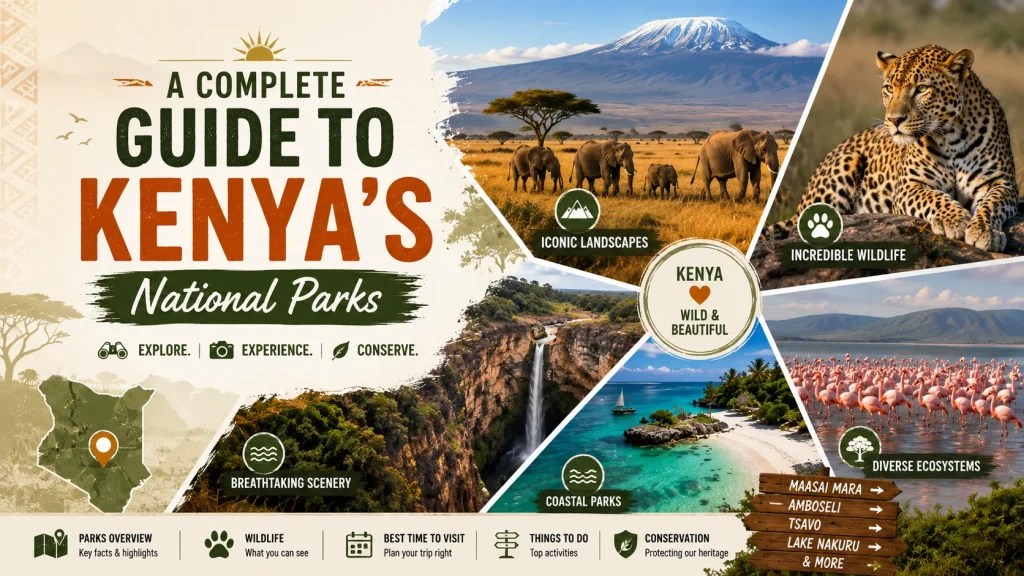
Quick answer: Kenya has 23 national parks and 28 national reserves, managed mainly by the Kenya Wildlife Service (KWS), covering roughly 8% of the country. For a first Kenya safari, most travelers focus on 2-4 of the most rewarding: Masai Mara, Amboseli, Lake Nakuru, Tsavo, Samburu, Ol Pejeta, and Lake Naivasha — each offering a genuinely different landscape, wildlife focus, and experience.
Kenya’s reputation as one of the world’s great safari destinations isn’t built on a single park — it’s built on genuine variety. Open savannah teeming with lion and wildebeest, alkaline lakes turned pink with flamingos, arid northern plains home to species found almost nowhere else, and rainforest-fringed rivers where hippos and rhinos share the water. As a Maasai-owned safari company, we’ve spent our lives in and around these landscapes, and this guide reflects what we’d actually tell you if you called our Nairobi office asking where to go.
We wrote this guide because most “top parks” lists online are written by people who’ve never actually stood in these places — often just reshuffled from official tourism board copy. What follows instead is shaped by years of guiding real trips through each of these landscapes, including the trade-offs and honest limitations of each one, not just the highlights.
How Many National Parks Does Kenya Actually Have?
Kenya has 23 national parks (managed directly by the Kenya Wildlife Service) and 28 national reserves (managed by county governments or local authorities), together covering around 8% of the country’s total land area. The distinction matters more than it might seem: national parks enforce strict protection with no human settlement allowed inside, while national reserves — like the Masai Mara — often involve local community management and slightly different rules, including which activities are permitted.
With over 50 protected areas in total, no guide can cover every single one in useful depth. This one focuses on the parks and reserves we actually build itineraries around — places we know well, have guided in ourselves, and can speak to honestly rather than repeating a generic list.
Understanding Kenya’s Park Fee System
Before comparing individual parks, it helps to understand how KWS pricing works, since it affects trip planning more than people expect. Kenya’s parks fall into different pricing tiers — ‘Premium’ parks like Amboseli and Lake Nakuru charge more than standard parks like Tsavo, and the Masai Mara sits in its own category entirely, priced independently by Narok County rather than KWS, with a significant jump between low season (January-June) and high season (July-December).
Fees are also split by visitor type — non-resident (international tourist), African citizen (non-East African), East African citizen, and Kenya resident — with non-residents paying the highest rate, typically USD 80-110 per adult per day depending on the park. Nearly all parks have moved to cashless payment through the KWS eCitizen portal, so cash at the gate is increasingly the exception rather than the rule.
We build all park fees into our package pricing, so this is mainly useful context for understanding why a longer, multi-park circuit costs what it does — not something you need to calculate yourself. For reference, here’s how non-resident adult fees compare across our seven core parks:
| Park | Non-Resident Adult Fee (per day) | Managed By |
| Masai Mara National Reserve | USD 100 (Jan-Jun) / USD 200 (Jul-Dec) | Narok County |
| Amboseli National Park | USD 90 | KWS (Premium) |
| Lake Nakuru National Park | USD 90 | KWS (Premium) |
| Ol Pejeta Conservancy | USD 110 | Private conservancy |
| Samburu National Reserve | USD 85 | Samburu County |
| Tsavo National Park | USD 80 | KWS (Standard) |
| Lake Naivasha | No park gate fee (activity-based costs) | N/A |
These figures reflect published 2026 rates and can change, so always confirm the current fee with your operator before travel — this is especially true for the Masai Mara, whose peak-season fee has recently doubled, and Lake Nakuru, whose 2025 fee revision faced a court challenge.
The 7 Parks We Recommend Most
These are the parks that make up the vast majority of our itineraries, each linked below to a full destination guide with fees, getting-there logistics, and best time to visit.
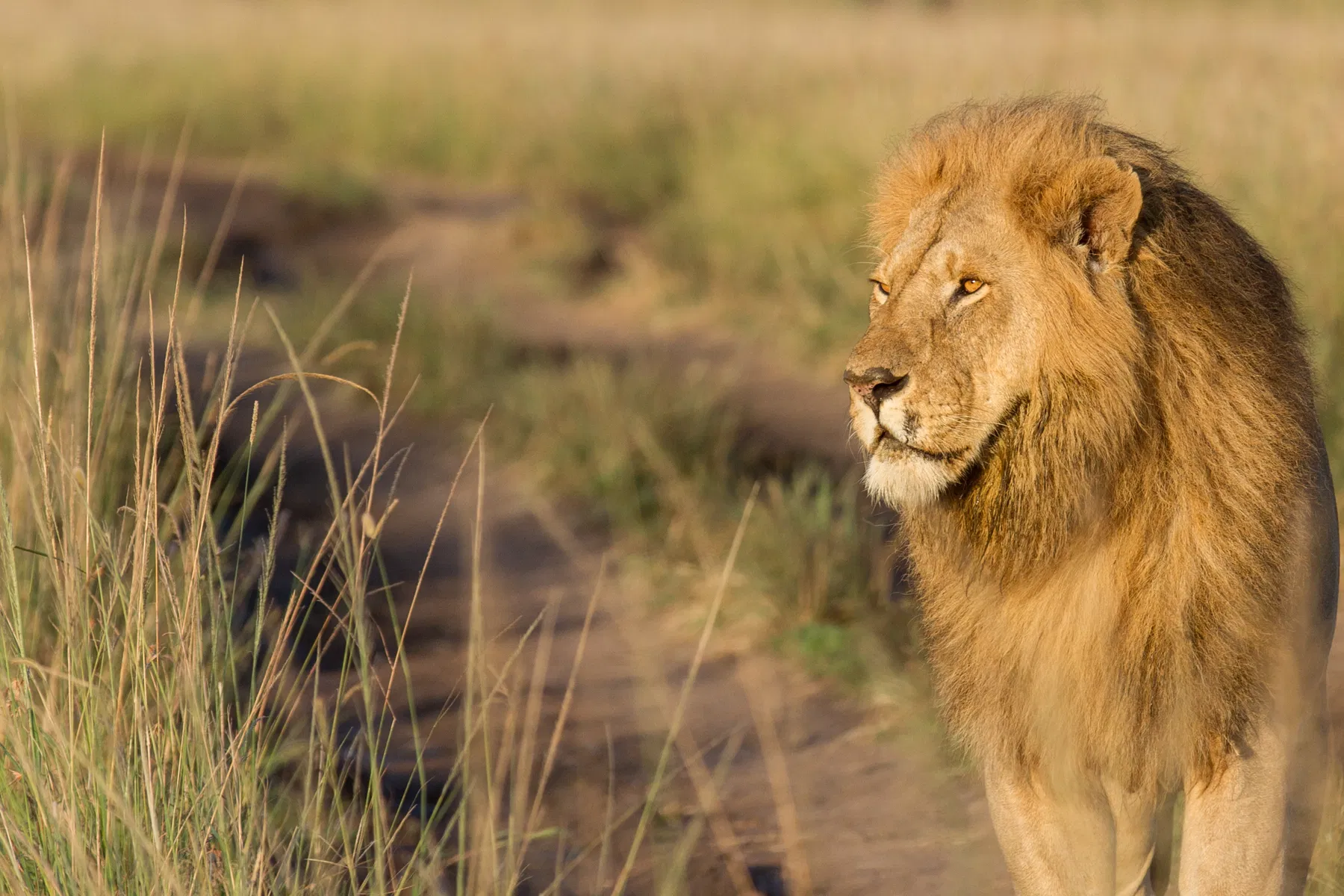
Kenya’s most famous reserve, home to the Big Five, exceptional big-cat density, and the Great Wildebeest Migration between July and October. The single best choice if you only have time for one park.
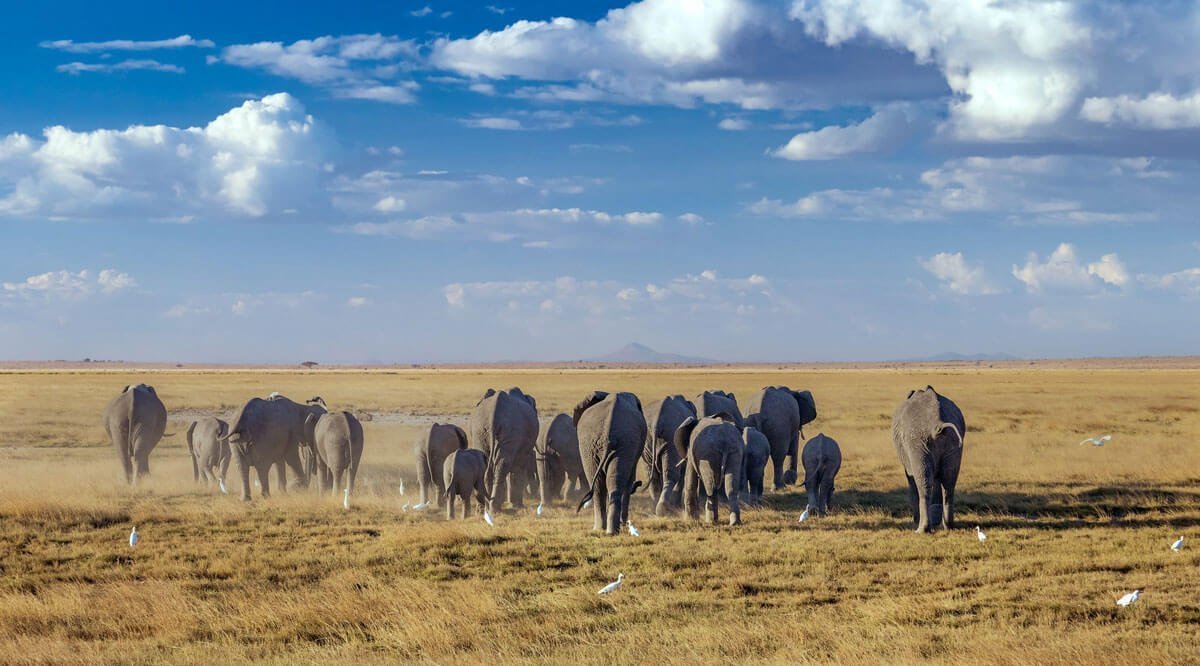
Famous for its large elephant herds and unmatched views of Mount Kilimanjaro. A strong pick for photographers and anyone wanting a shorter, easily accessible safari from Nairobi.
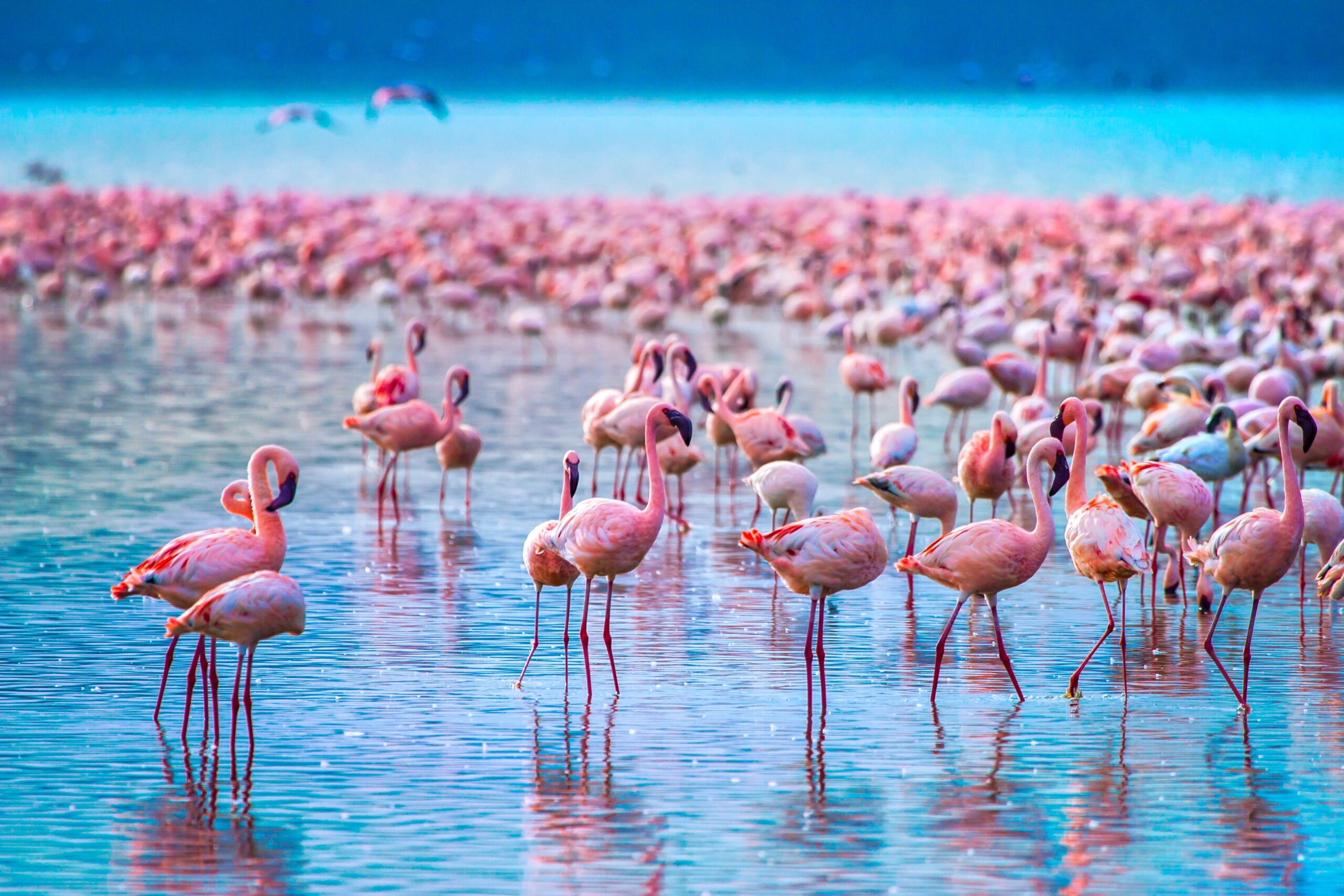
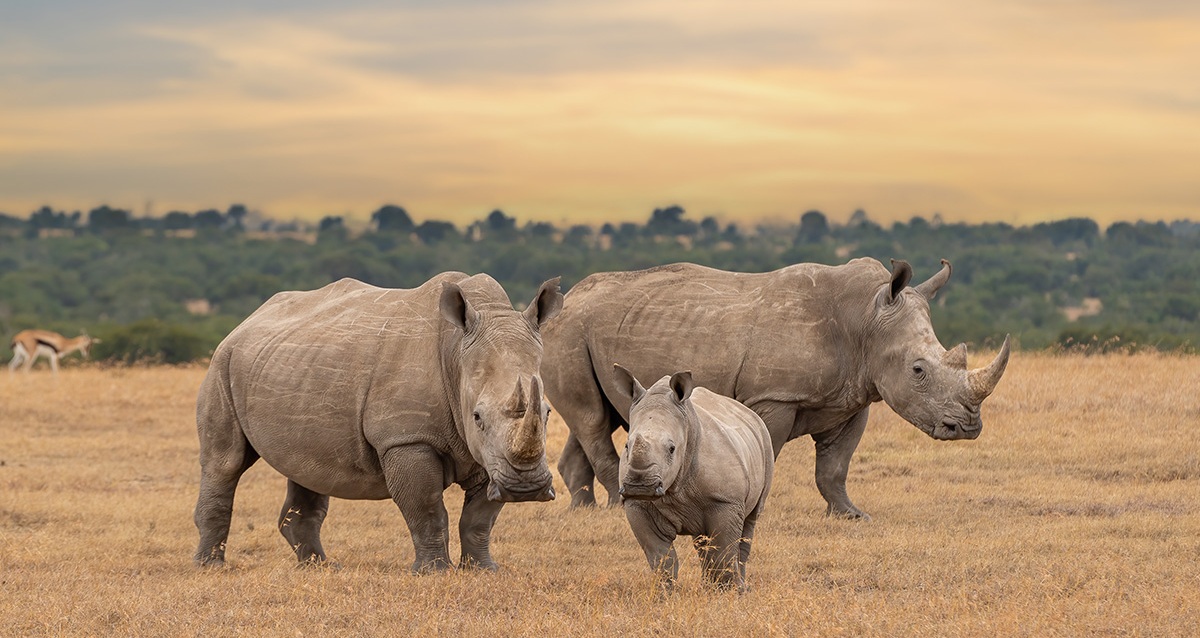
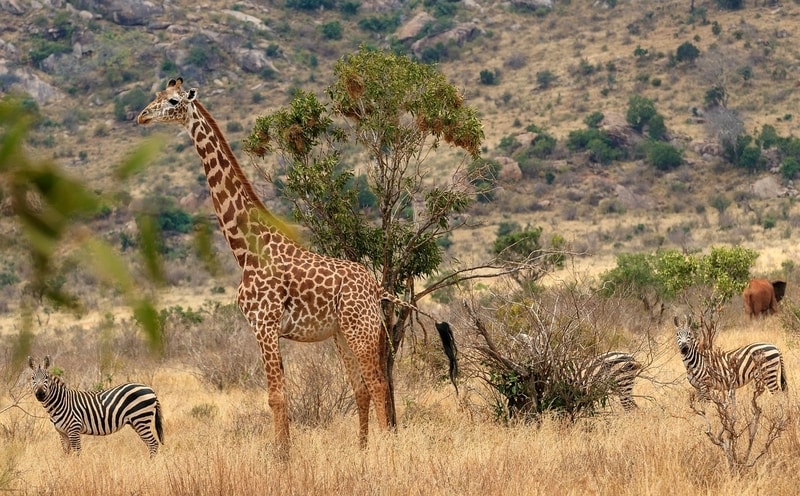
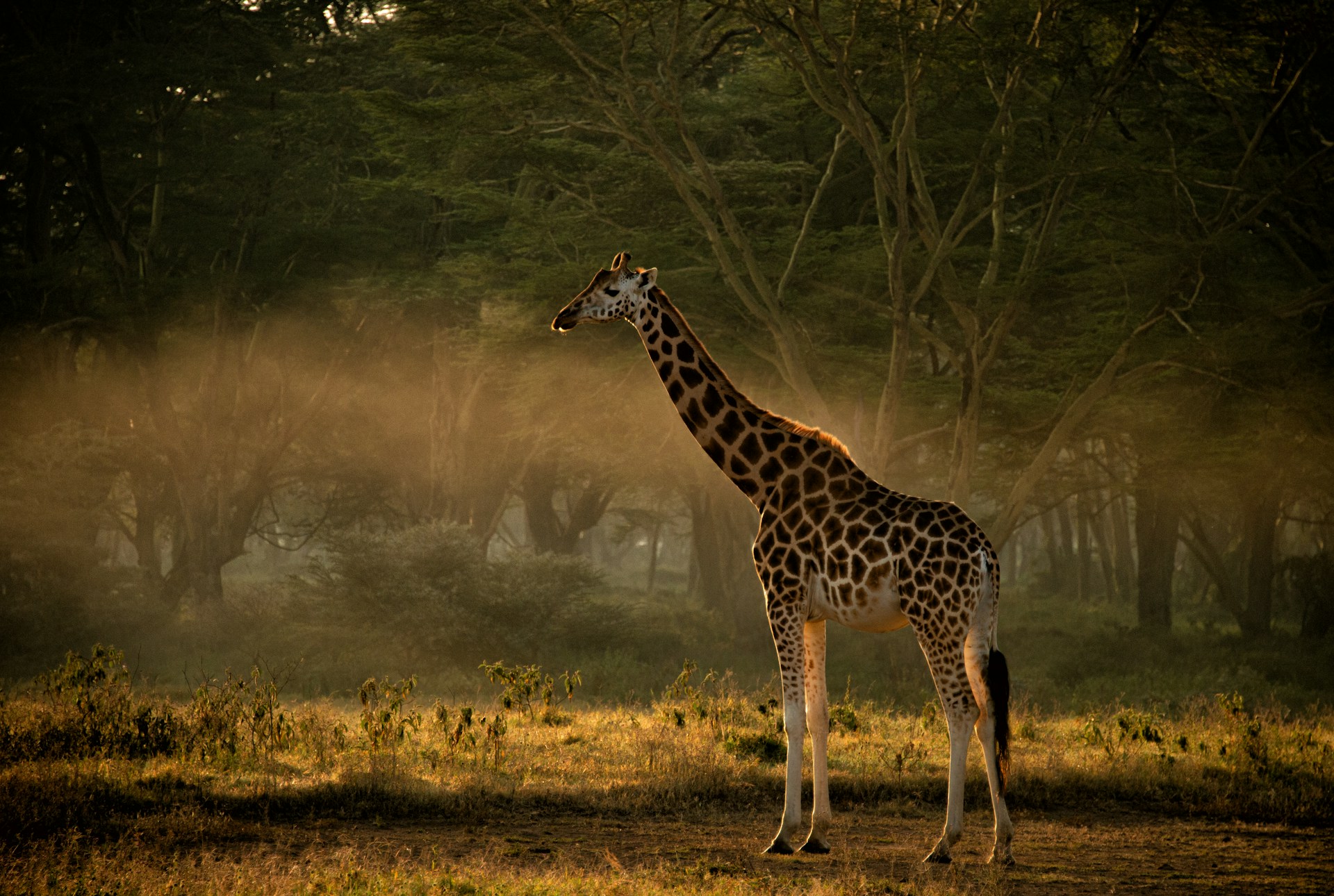
A compact, easy-to-explore park protecting one of Kenya’s largest rhino populations, alongside flamingos and Rothschild’s giraffes — ideal as a 1-2 day addition to a longer circuit.
Kenya’s largest park by far, split into Tsavo East and Tsavo West, known for its red-dust elephants and genuinely uncrowded wilderness — you can drive for hours without seeing another vehicle.
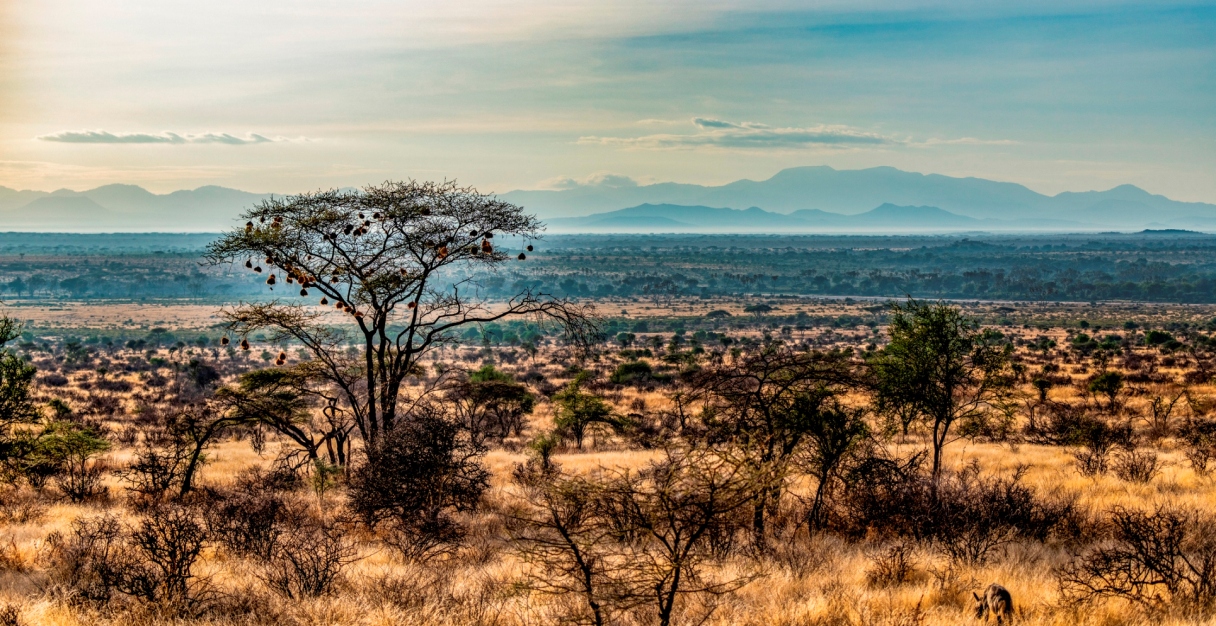
A remote northern reserve home to the ‘Samburu Special Five’ — rare species found in very few other places in Kenya — alongside a strong cultural experience with the Samburu people.
The only place in Kenya to see chimpanzees, and home to the last two northern white rhinos on Earth — a compact, easily accessible Big Five destination just 200km from Nairobi.
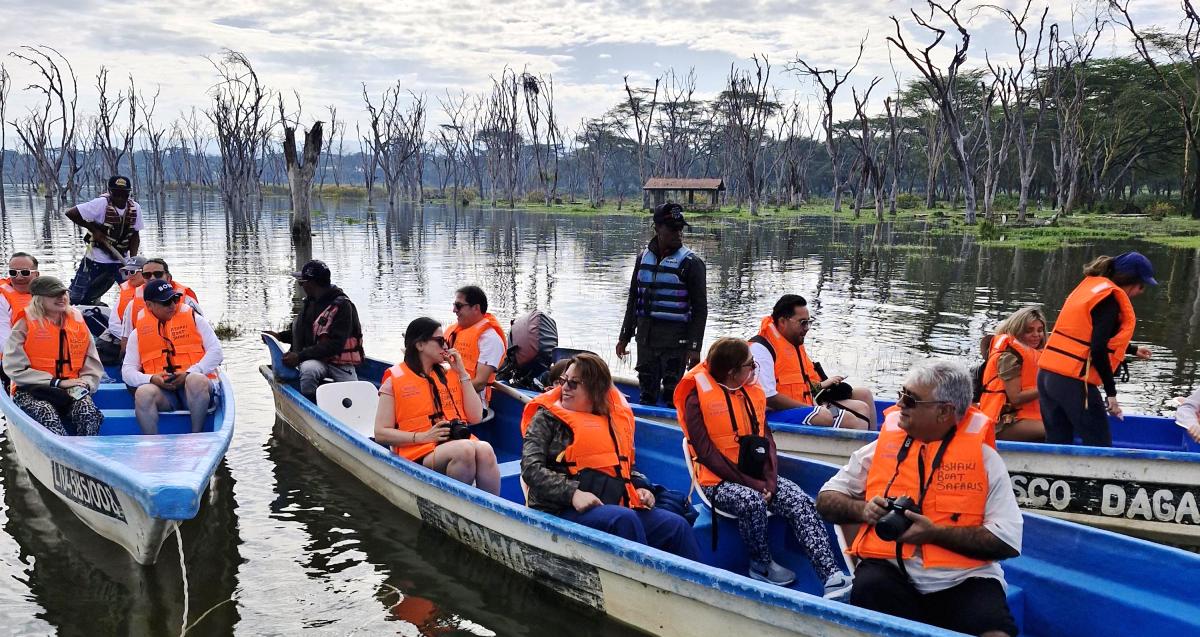
A relaxed, freshwater lake destination for boat safaris, walking among wildlife on Crescent Island, and hiking or cycling at neighboring Hell’s Gate National Park.
Where to See the Big Five Across Kenya’s Parks
The ‘Big Five’ — lion, leopard, elephant, buffalo, and rhino — originally referred to the five animals hunters considered most dangerous to track on foot, and the term has since become the benchmark most safari travelers use to compare parks. Not every park offers all five reliably, so here’s a realistic breakdown:
| Park | Lion | Leopard | Elephant | Buffalo | Rhino |
| Masai Mara | Yes | Yes | Yes | Yes | Yes (rare) |
| Amboseli | Yes | Occasional | Yes | Yes | No |
| Lake Nakuru | Yes | Yes | Occasional | Yes | Yes |
| Ol Pejeta | Yes | Yes | Yes | Yes | Yes |
| Tsavo | Yes | Yes | Yes | Yes | Yes |
| Samburu | Yes | Yes | Yes | Yes | No |
If seeing all five in one place is a priority, Ol Pejeta and Tsavo are your most reliable single-park options. The Masai Mara offers the strongest overall density of lion, leopard, and cheetah sightings of any park in Kenya, though rhino sightings there are genuinely rare.
Conservation Across Kenya’s Parks
Every park in this guide has its own conservation story, and it’s worth understanding since your park fees directly fund it. Ol Pejeta protects the last two northern white rhinos on Earth and runs active genetic research aimed at reviving the subspecies. Lake Nakuru and Tsavo both operate as fenced or heavily patrolled rhino sanctuaries, a direct response to the poaching crises of the 1970s and 1980s that devastated populations across the country. The Masai Mara’s surrounding private conservancies — land leased directly from Maasai landowners — have become one of the most studied and replicated conservation models in East Africa, since they extend protected habitat well beyond the reserve’s official boundary while providing Maasai communities with a genuine, direct stake in wildlife protection rather than being displaced by it.
As Maasai ourselves, this isn’t an abstract talking point for us — several of our own guides come from families directly involved in conservancy management, and we actively steer guests toward conservancy-inclusive itineraries where it makes sense, since these areas tend to offer both better conservation outcomes and a genuinely less crowded safari experience.
Getting Between Parks: Road vs Air
Most of Kenya’s major parks are reachable by road from Nairobi in anywhere from 1.5 to 6 hours, and driving between them is the more affordable, scenic option — though it does mean longer travel days on a multi-park circuit. Scheduled flights connect Nairobi’s Wilson Airport to airstrips at or near nearly every park covered in this guide, typically turning a half-day drive into a 35-60 minute flight.
For itineraries covering three or more parks, especially ones spanning both southern parks (Masai Mara, Amboseli) and northern ones (Samburu, Ol Pejeta), flying at least one leg is usually worth the extra cost in time saved. We build both options into our proposed itineraries depending on how much driving time a guest wants to trade for budget.
Other Notable Parks Worth Knowing
Beyond the seven parks above, a few others come up often enough in trip planning that they’re worth a mention, even if they’re not yet a core part of our package lineup:
Nairobi National Park: Genuinely unusual — a full Big Five-capable park (rhinos included) within sight of Nairobi’s skyline, making it a strong option for a half-day safari on an arrival or departure day.
Hell’s Gate National Park: One of the few Kenyan parks where you can hike or cycle among wildlife, set within dramatic gorges right next to Lake Naivasha.
Meru National Park: A lesser-visited, lush park in central Kenya with a strong conservation story around its rhino sanctuary — worth asking us about if you’re looking for somewhere genuinely off the typical circuit.
Aberdare National Park: A dramatic, forested mountain park known for waterfalls and unique tree-lodge accommodation, where wildlife (including forest elephants and the rare bongo antelope) comes to you rather than the other way around.
Mount Kenya National Park: Africa’s second-highest peak and a UNESCO World Heritage Site, popular with trekkers rather than typical game-drive travelers, and often paired with Ol Pejeta or Samburu given its central location.
How to Choose Which Parks to Visit
With more than 50 protected areas in Kenya, the honest starting point isn’t “which park is best” — it’s “what do you actually want from this trip.” A few common priorities and where they point:
- Chasing the wildebeest migration → Masai Mara, July to October specifically
- Best Mount Kilimanjaro views → Amboseli
- Rare, unique species not found elsewhere → Samburu (Special Five) or Ol Pejeta (chimpanzees, northern white rhinos)
- Short trip from Nairobi (2-3 days) → Ol Pejeta, Lake Nakuru, or Nairobi National Park
- Wanting a genuinely uncrowded, remote feel → Tsavo or Samburu
- A relaxed, lower-intensity stop between game drives → Lake Naivasha
- Budget-conscious travel → Lake Nakuru and Tsavo tend to combine strong wildlife with lower park fees than Premium parks or the Masai Mara
If you’re weighing a longer trip, our guide on how many days you need in the Masai Mara walks through the same decision for 3, 5, and 7-day trips specifically.
Best Time to Visit Kenya’s National Parks
Kenya is a year-round safari destination, but timing shifts what you’ll see. July through October brings the Great Migration to the Masai Mara and generally the best overall game viewing, with drier roads and clearer skies. January through March offers strong wildlife viewing with fewer crowds and lower prices, plus the Serengeti’s calving season just across the Tanzania border if you’re combining countries. The rainy seasons (April-May and November) bring lush, green landscapes, excellent birdlife, and the lowest prices of the year, though some roads become harder to navigate.
If you’re deciding between Kenya’s Masai Mara and Tanzania’s Serengeti specifically, we’ve written a full, honest comparison: Masai Mara vs Serengeti: Which Should You Actually Choose?
Sample Multi-Park Itineraries
3 days: A focused Masai Mara safari — our most popular short trip for travelers with limited time.
5 days: Masai Mara combined with Lake Nakuru — two genuinely different ecosystems without feeling rushed.
6-8 days: Masai Mara, Lake Nakuru, and Amboseli — our most requested circuit, balancing the Mara’s wildlife density with Amboseli’s Kilimanjaro views.
12+ days: A full circuit spanning Masai Mara, Amboseli, Tsavo, and a coastal extension — for travelers treating this as a genuine once-in-a-lifetime trip.
Whatever length you’re considering, it’s worth reading our honest list of 17 Kenya Safari Mistakes to Avoid before booking — most of them come down to underestimating drive times between parks.
Frequently Asked Questions
How many national parks are there in Kenya?
Kenya has 23 national parks and 28 national reserves, managed mainly by the Kenya Wildlife Service, together covering about 8% of the country’s land area.
Which national parks should a first-time visitor choose?
For a first trip, we’d generally recommend the Masai Mara as a base, combined with one or two others — Lake Nakuru or Amboseli are both easy, rewarding additions without requiring a long, complex circuit.
What is the difference between a national park and a national reserve in Kenya?
National parks are managed directly by KWS with strict protection and no human settlement inside, while national reserves — like the Masai Mara — are often managed by county or local authorities with slightly different rules.
Which Kenyan park has the most affordable entry fees?
Tsavo and Lake Nakuru generally sit at the more affordable end among major parks, while the Masai Mara and Premium parks like Amboseli charge higher non-resident rates.
Can you combine multiple national parks in one trip?
Yes — most of our itineraries combine 2-4 parks, since each one offers a distinct landscape and wildlife focus, and combining them gives a much fuller picture of Kenya than visiting just one.
Is it safe to visit Kenya’s national parks?
Yes — Kenya’s national parks are generally very safe for visitors, especially with a licensed local guide, since KWS enforces strict conservation and safety measures across all protected areas.
Which Kenyan park is best for seeing all of the Big Five in one visit?
Ol Pejeta Conservancy and Tsavo National Park are the most reliable single-park options for all five, while the Masai Mara offers the strongest overall predator density but rarer rhino sightings.
How do you get between Kenya’s national parks?
Most parks are reachable by road from Nairobi in 1.5 to 6 hours, or by short scheduled flight from Wilson Airport in 35-60 minutes — flying at least one leg is often worth it on itineraries covering three or more parks.
Choosing Depth Over a Checklist
It’s tempting, especially on a first trip, to want to see as many parks as possible in one visit. In our experience, the trips people remember most fondly are rarely the ones that covered the most ground — they’re the ones where there was enough time in each place to actually settle into it: a quiet morning game drive without rushing to the next gate, a guide who could slow down and explain what you were looking at rather than ticking off sightings. This guide is meant to help you choose well, not choose everything.
Plan Your Kenya National Parks Safari
Whichever parks fit your trip, we build every itinerary around your actual travel dates and priorities, not a fixed template. Browse our Masai Mara safari packages to start, or get in touch and one of our Maasai guides will help you decide which combination of parks makes sense for your dates and budget.


3 Comments
How Far Is Lake Nakuru from Nairobi? (Distance & Time)
September 5, 2026 at 8:31 am[…] wildlife, and best time to visit — see our Lake Nakuru National Park guide, or browse our broader guide to Kenya’s national parks if you’re still deciding which parks to […]
Visiting the Nairobi Elephant Orphanage: What to Know (2026)
September 15, 2026 at 7:45 pm[…] alongside a Nairobi National Park game drive. If you’re planning your wider itinerary, our guide to Kenya’s national parks is a good next stop, or get in touch and one of our Maasai guides will help you fit this into your […]
Why Your Second Safari Is the One That Finally Gets You
October 14, 2026 at 10:01 am[…] you’re choosing a new destination for this trip, our guide to Kenya’s national parks covers the full range, and our Masai Mara destination guide has more on the conservancies […]