Lake Nakuru National Park Safari: Kenya's Iconic Rhino & Birding Paradise
Quick answer: Lake Nakuru National Park is one of Kenya's best places to see both black and white rhinos, alongside flamingos and Rothschild's giraffes, in a compact park that's easy to explore in a short time. Namnyak Safaris offers Lake Nakuru packages from 3 to 12 days, almost always combined with Masai Mara or Lake Naivasha.
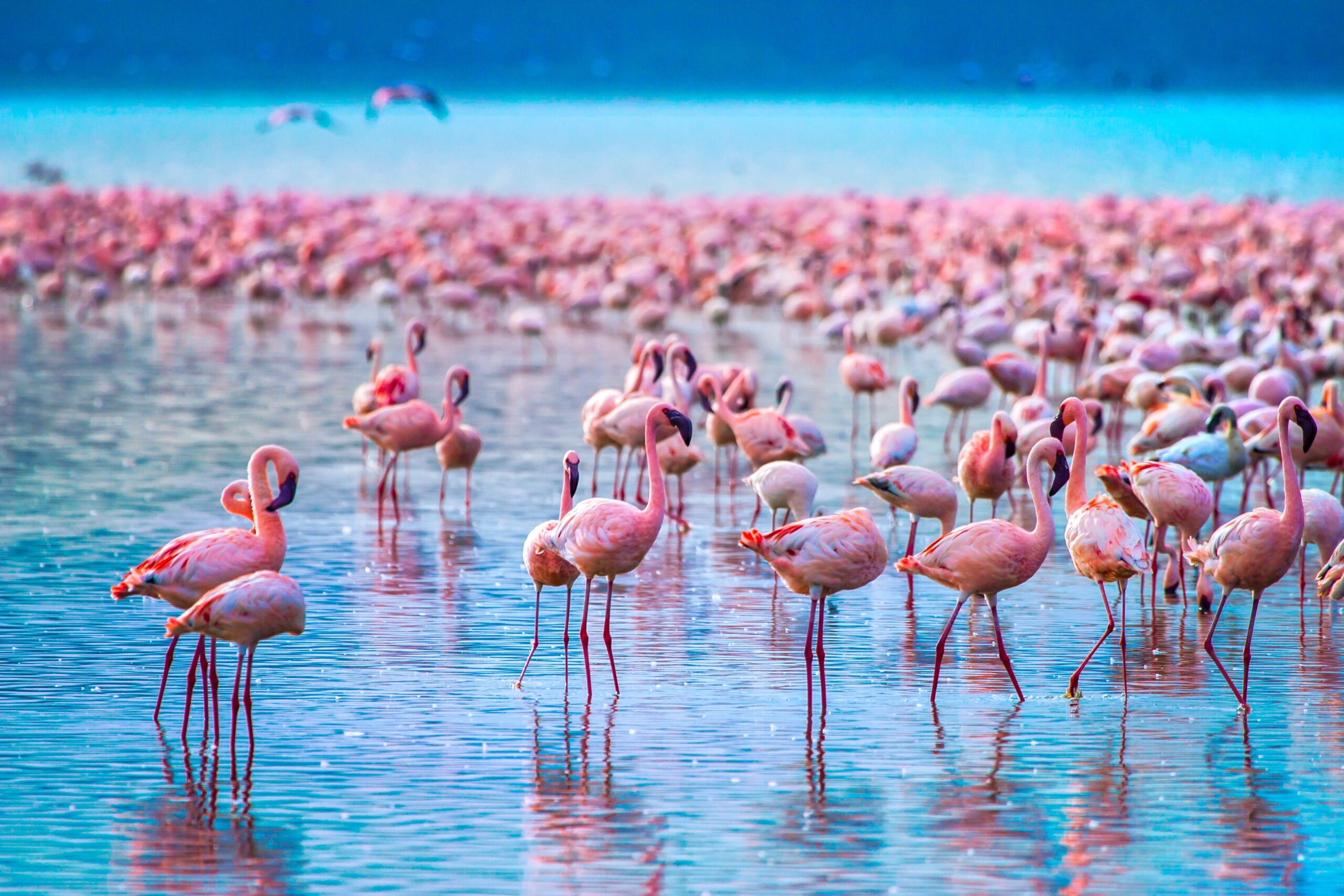
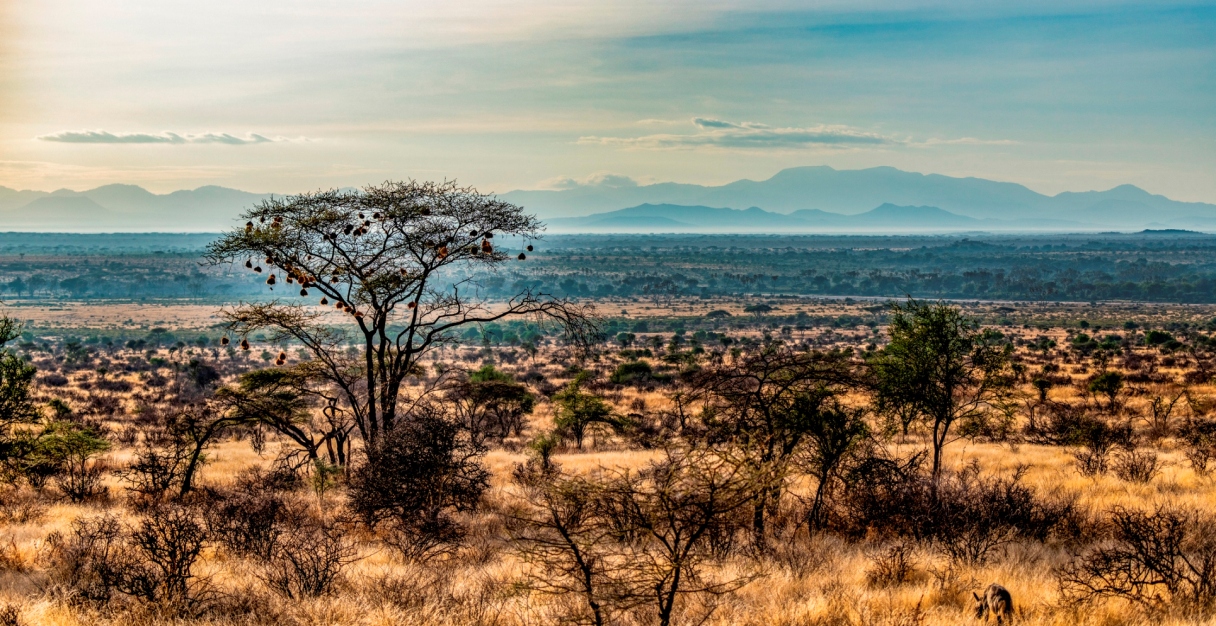
Set in the spectacular Great Rift Valley at an elevation of 1,745 meters, Lake Nakuru National Park is one of Kenya's most scenic and wildlife-rich parks. Famous worldwide for its flamingos, rhinos, and dramatic landscapes, Lake Nakuru offers an intimate safari experience with excellent wildlife sightings in a compact, easy-to-explore park. At Namnyak Safaris, we take you beyond the headlines — sharing the true story of Lake Nakuru today, guided by experts who understand its changing ecosystem.
The Living, Breathing Lake
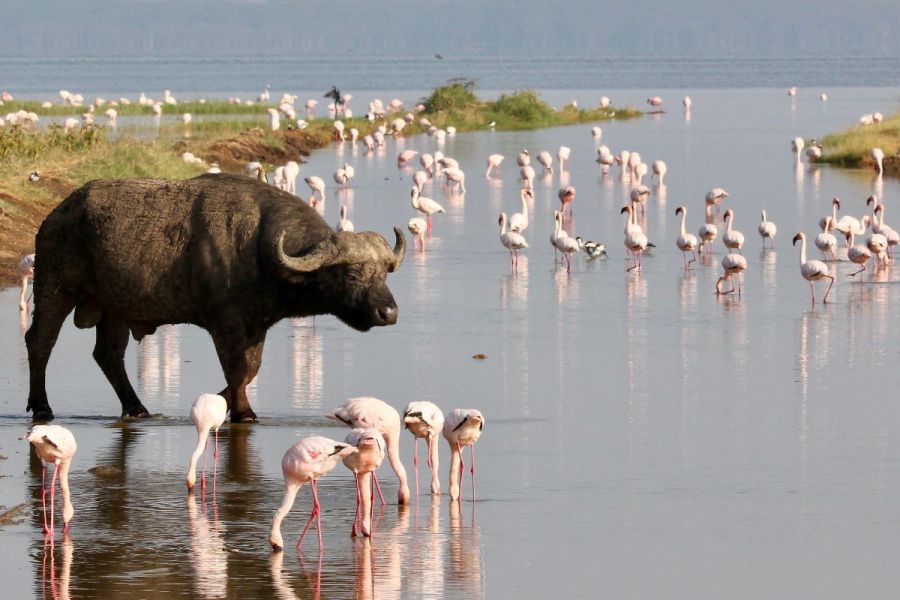
Lake Nakuru is a shallow alkaline lake whose size naturally expands and contracts with rainfall — its surface area can vary between 5 km² and over 45 km², shaping wildlife movement and bird populations. In recent years, changing water levels, feeding pressures, and pollution have affected flamingo numbers, though encouraging signs of ecological recovery are now visible, with flamingos gradually returning during favorable seasons. This dynamic nature makes every visit unique; no two Lake Nakuru safaris are ever the same.
A Stronghold for Rhino Conservation
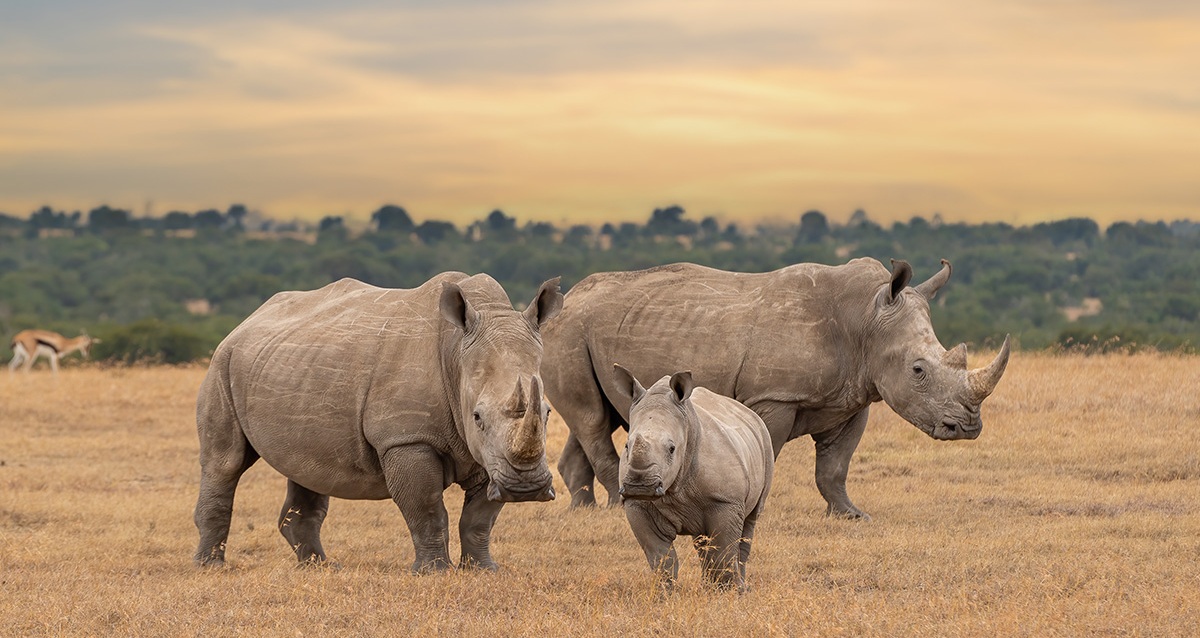
Lake Nakuru is one of the most important rhino sanctuaries in Kenya, protecting one of the country's largest populations of both white rhinos and critically endangered black rhinos within a fully fenced, actively guarded park. These magnificent animals are frequently seen grazing on open plains or resting under acacia trees, offering some of the best rhino viewing opportunities in Africa. With Namnyak Safaris, our guides know where and when to find these gentle giants.
Getting to Lake Nakuru
Lake Nakuru sits approximately 156km northwest of Nairobi via the Nairobi-Nakuru highway, making it one of the most convenient parks to reach for a shorter safari. The drive typically takes 2.5 to 4 hours depending on traffic, with ongoing highway construction near Rironi sometimes adding 45-90 minutes during peak hours — an early departure before 6:30 AM is worth considering if you're driving through on the same day. Lanet Gate is the most convenient entry point, though Nderit and Main Gate are also used depending on which direction you're arriving from. For travelers wanting to skip the road entirely, short charter flights from Wilson Airport land at Naishi Airstrip inside the park in around 30-40 minutes.
Lake Nakuru Park Fees (2026)
Lake Nakuru is classified as a Premium Park alongside Amboseli, and fees were significantly revised in 2025 as part of a broader KWS conservation fee update — the first major adjustment in nearly two decades. Worth knowing: a Nairobi court issued a temporary injunction on these revised fees in late 2025 following industry pushback, so it's worth confirming with your operator which rate is currently being enforced at the gate.
- Non-resident adults: USD 90 per person, per 24 hours
- East African citizen adults: KES 1,500
- Kenya resident adults: KES 2,025
- Children: approximately 50% of the applicable adult rate
- All fees are paid online via the KWS eCitizen portal — cash is not accepted at the gate
Park fee rates change periodically and have recently been contested in Kenyan courts, so always confirm the current, enforced rate with KWS or your operator before travel — the figures above reflect published 2026 rates at the time of writing.
Wildlife Beyond Flamingos
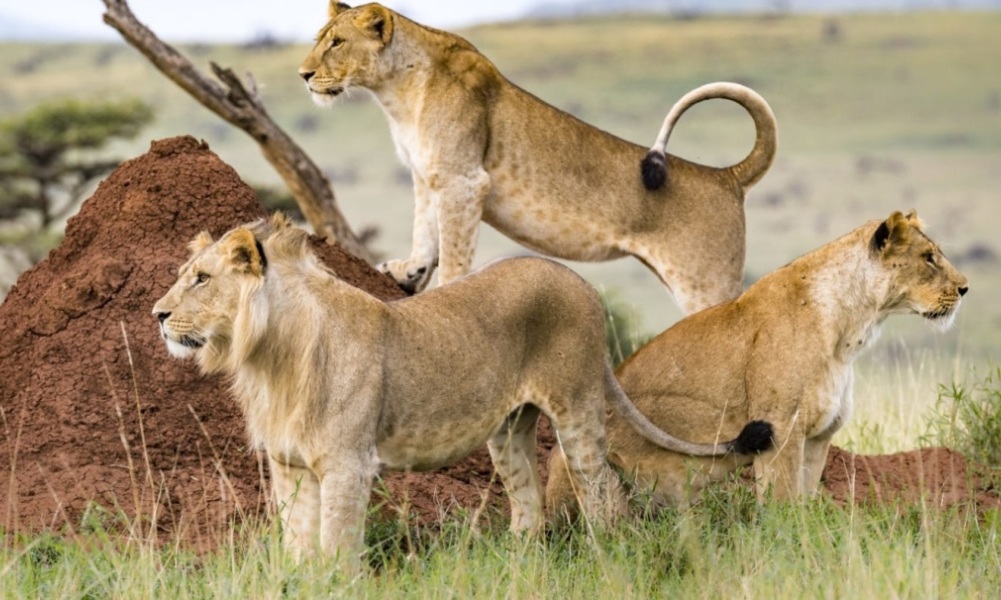
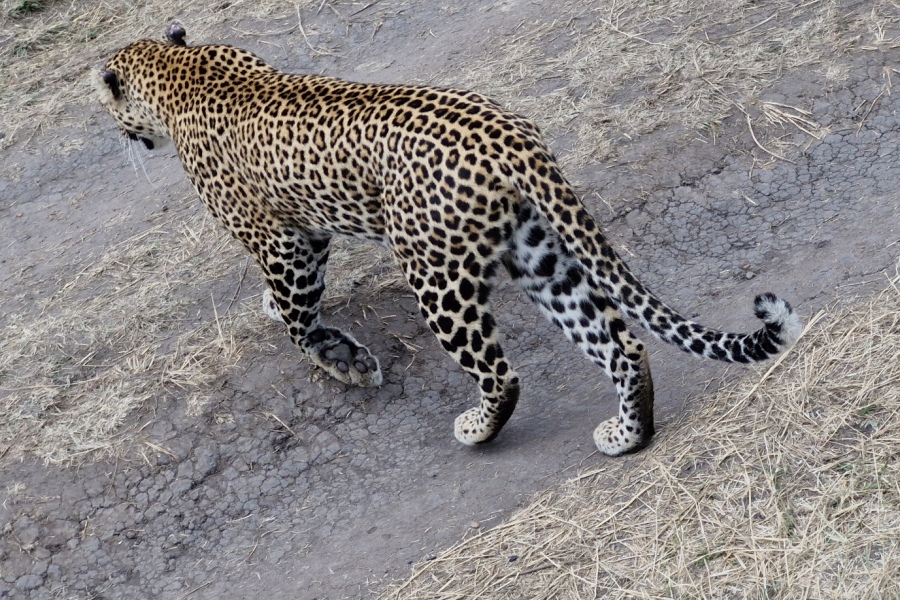
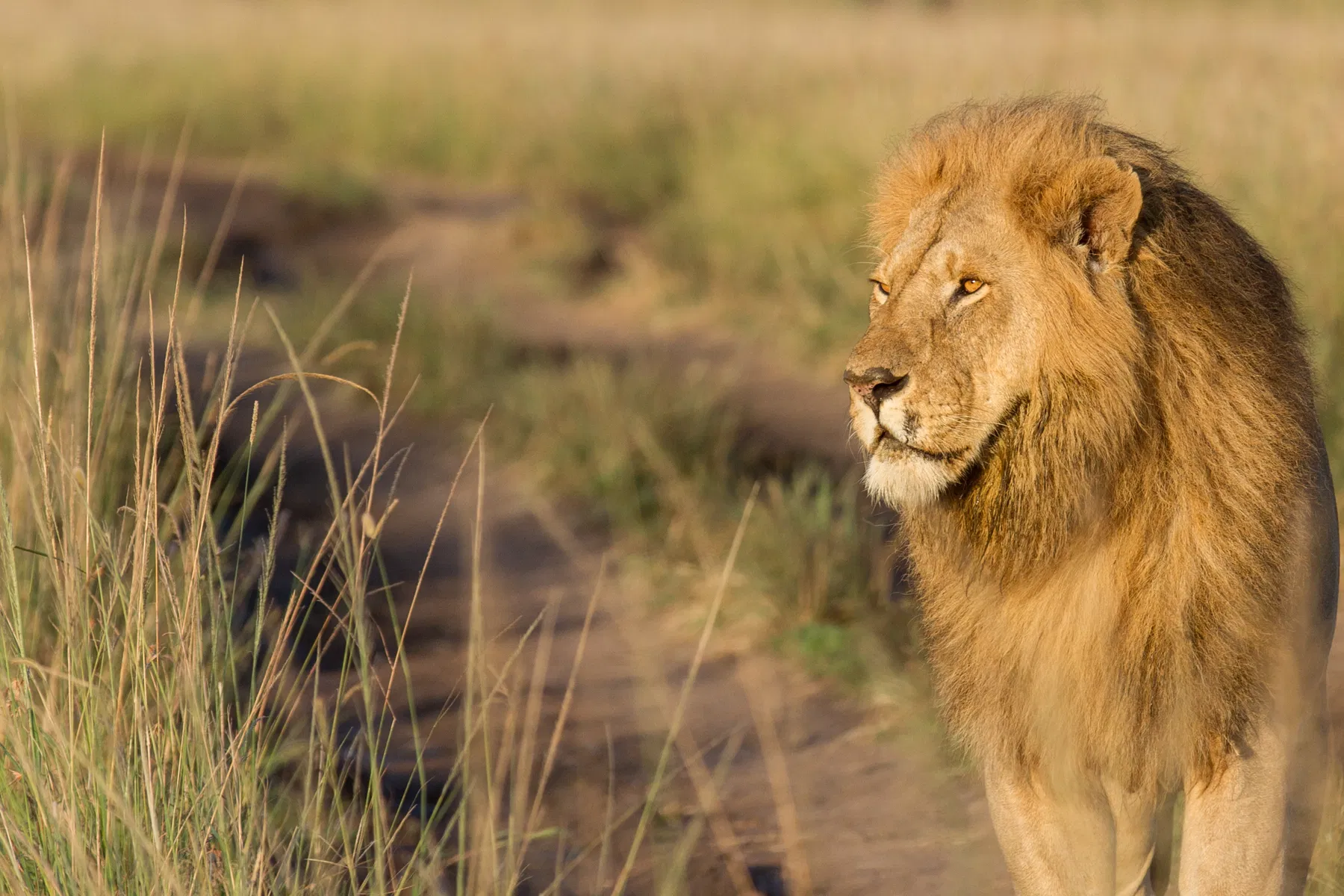
- Lions and elusive leopards
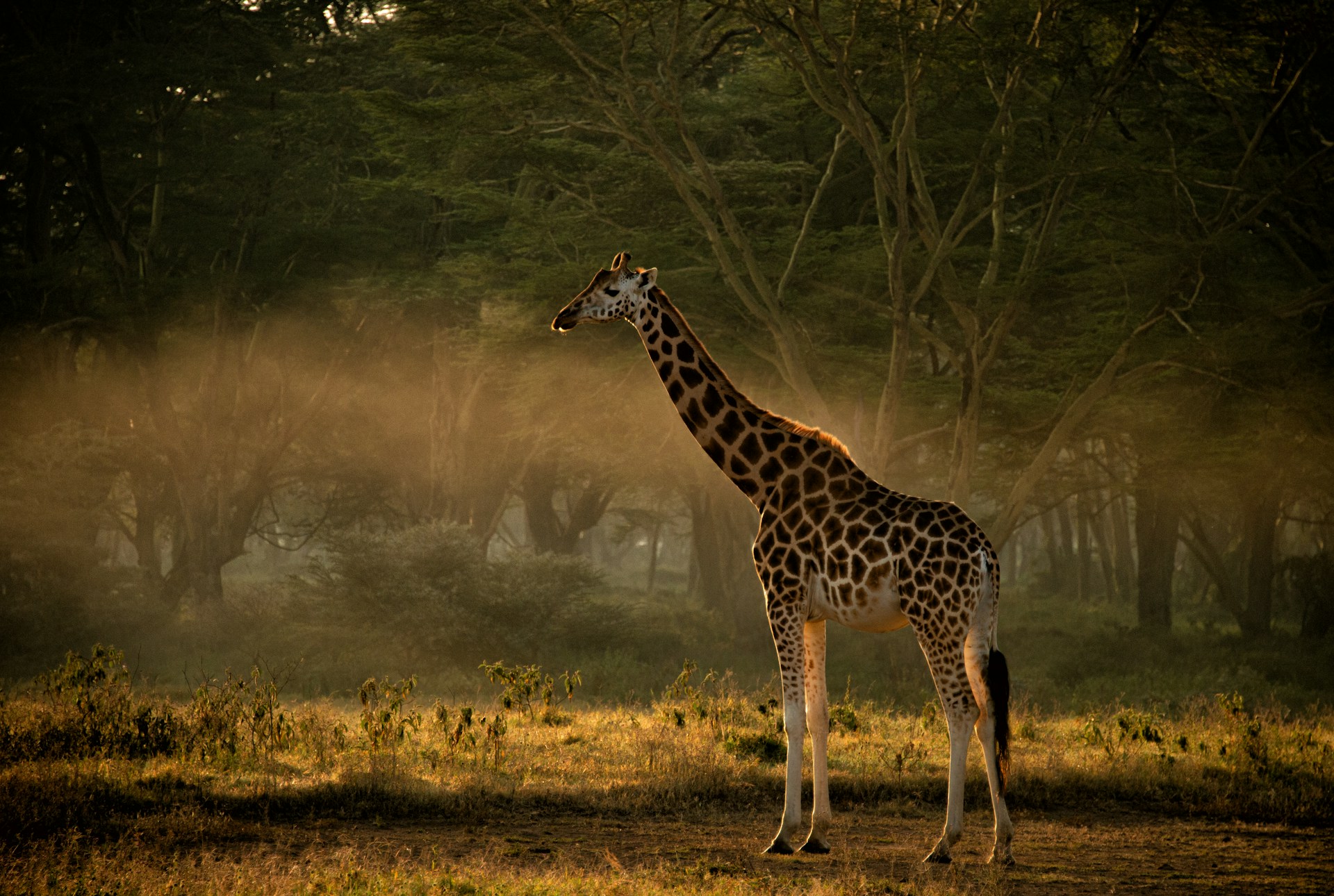
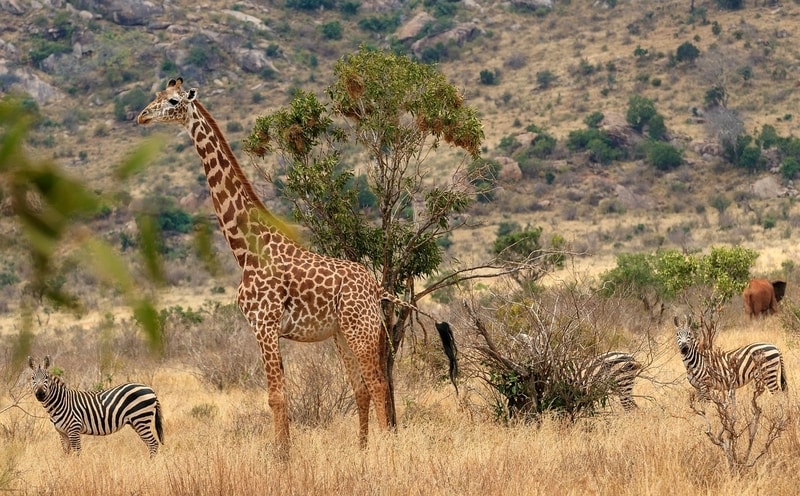
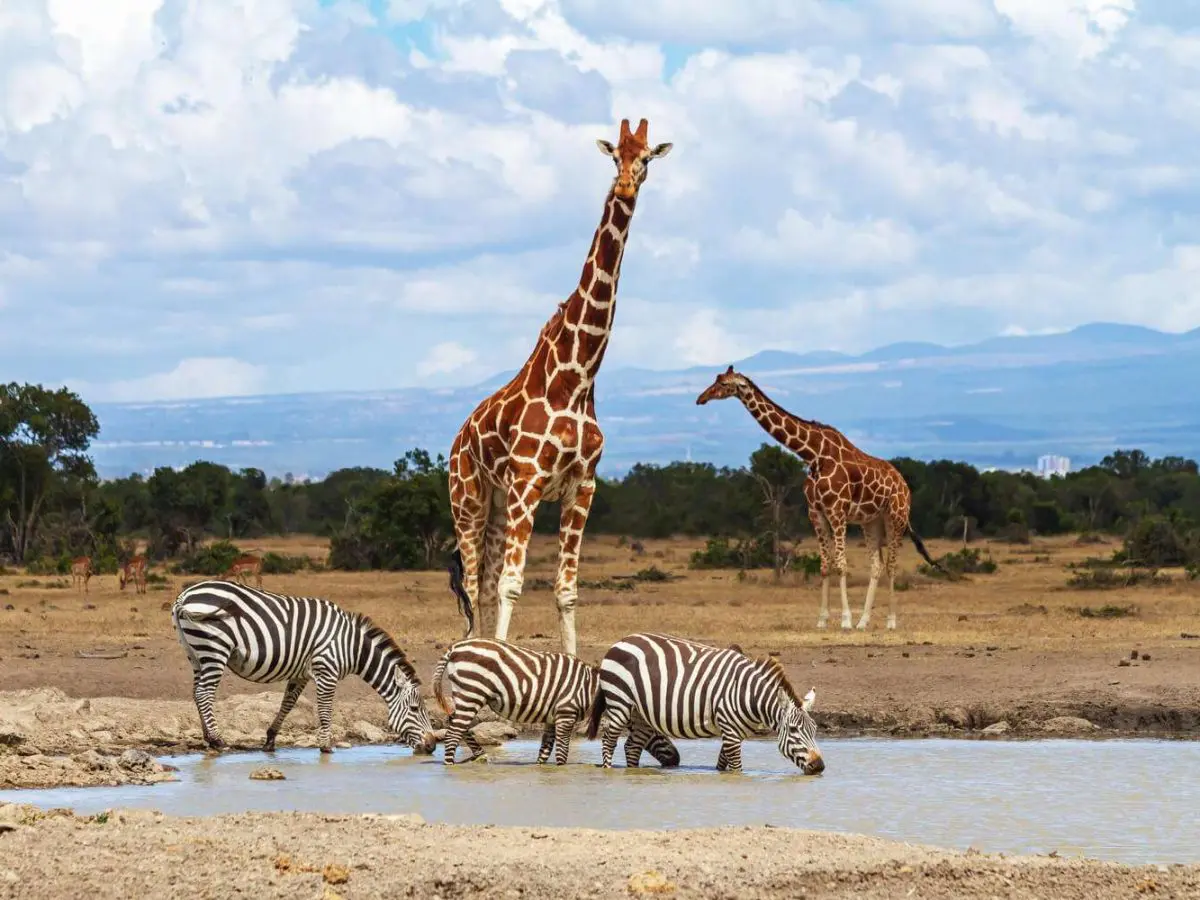
- Rothschild's giraffes (endangered)
- Buffaloes and zebras
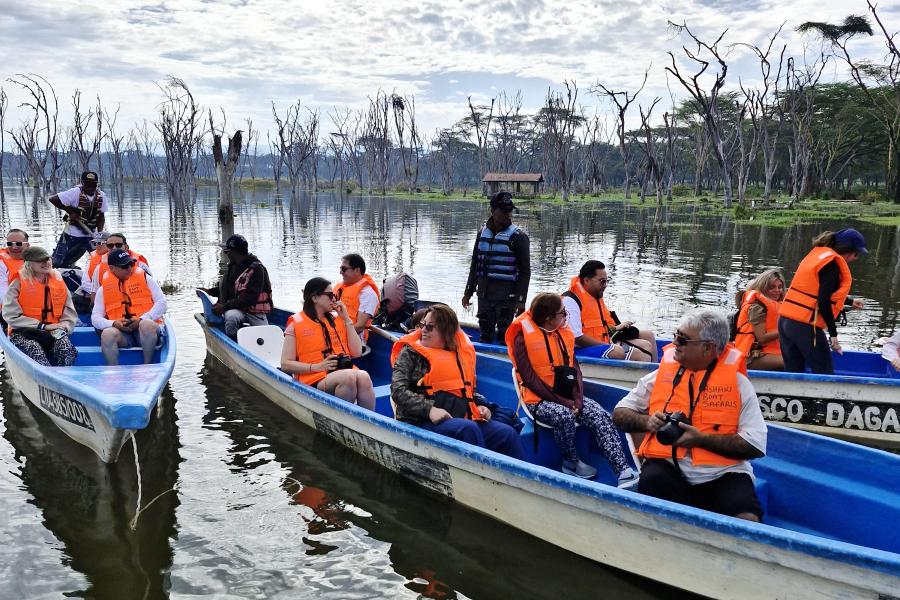
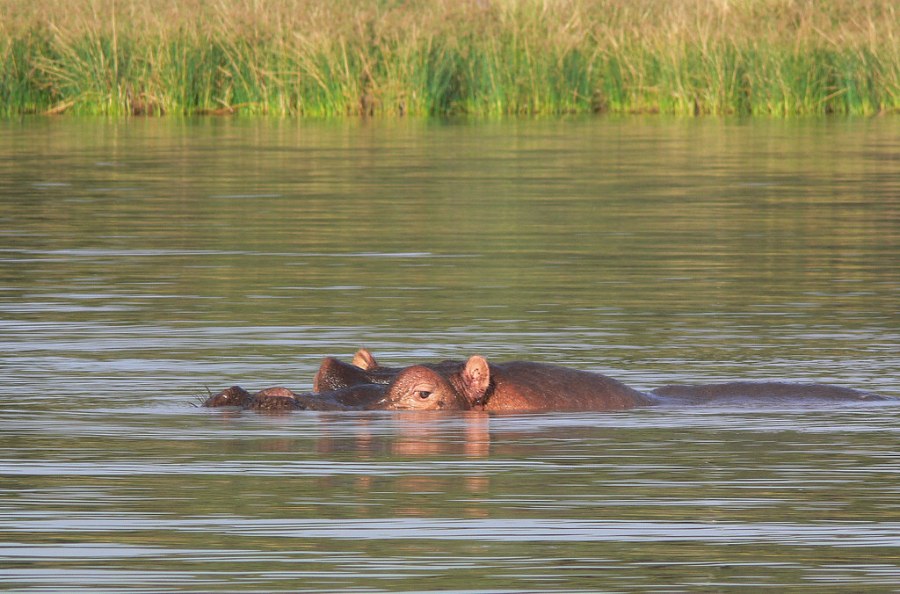
- Hippos in the lake
- Impalas and waterbucks
- Over 450 bird species including pelicans, fish eagles, herons, and kingfishers
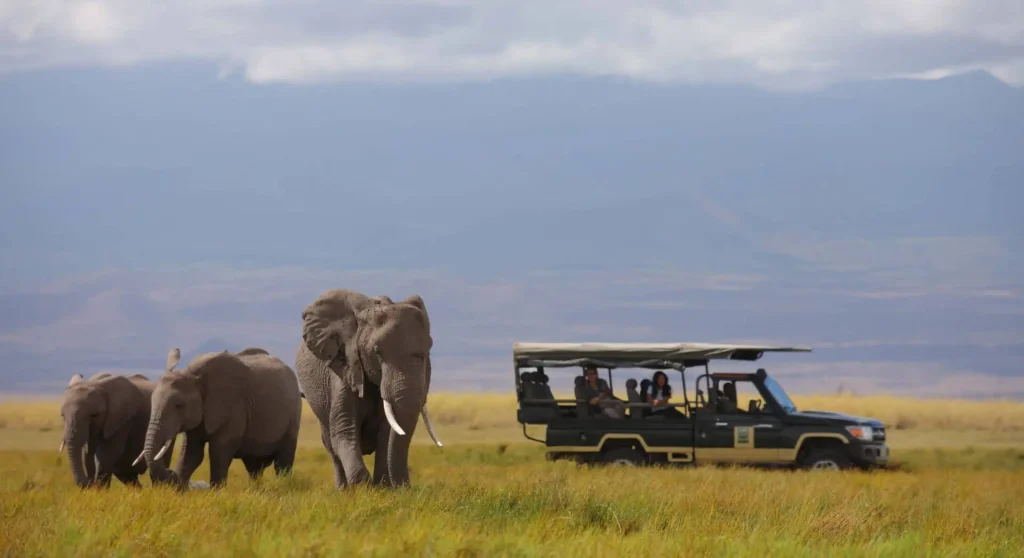
The park's compact size — just 188 km² — means short driving distances and high wildlife density, ideal for travelers who want maximum sightings in a short time.
Where to Stay at Lake Nakuru
Because most visitors treat Lake Nakuru as a 1-2 day stop within a longer circuit, accommodation ranges from simple guesthouses in Nakuru town itself to comfortable mid-range lodges just outside the gates, with a smaller number of tented camps inside the park for those wanting an early start on game drives before other vehicles arrive.
A Sample Lake Nakuru Stop
Morning: Arrive via Lanet Gate, head straight for the rhino sanctuary areas while the park is quiet.
Midday: Stop at Baboon Cliff or Lion Hill for panoramic lake views and a picnic lunch.
Afternoon: A final loop for giraffe and birdlife before continuing on toward the Masai Mara or Lake Naivasha.
Best Time to Visit Lake Nakuru
Lake Nakuru is a year-round destination with birdlife and wildlife present in all seasons, though flamingo numbers vary depending on water and algae conditions. This makes it an excellent addition to Masai Mara and Naivasha safaris rather than a stand-alone destination.
Many guests pair Lake Nakuru with the Masai Mara — see our Masai Mara vs Serengeti comparison if you're also deciding between Kenya and Tanzania for your main safari leg.
Frequently Asked Questions
Can you see rhinos at Lake Nakuru?
Yes — Lake Nakuru is one of Kenya's most important rhino sanctuaries, protecting both white rhinos and critically endangered black rhinos, with frequent sightings on open plains.
How much does it cost to enter Lake Nakuru National Park?
As of 2026, non-resident adults pay USD 90 per day, though this rate has faced a court challenge — confirm the currently enforced rate with your operator before travel.
Are there still flamingos at Lake Nakuru?
Flamingo numbers vary with water and algae conditions, and while past years saw reduced numbers, flamingos are gradually returning during favorable seasons.
How do you get to Lake Nakuru from Nairobi?
By road it's about 156km (2.5-4 hours depending on traffic) via the Nairobi-Nakuru highway, or a 30-40 minute charter flight to Naishi Airstrip inside the park.
How many days do you need at Lake Nakuru?
Because of its compact size, 1-2 days is usually enough to see the park's highlights, which is why it's most often combined with a longer Masai Mara or Naivasha itinerary.
Is Lake Nakuru good for a first-time safari?
Yes — its compact size and high wildlife density make it an easy, rewarding addition for first-time visitors, especially paired with the Masai Mara.