
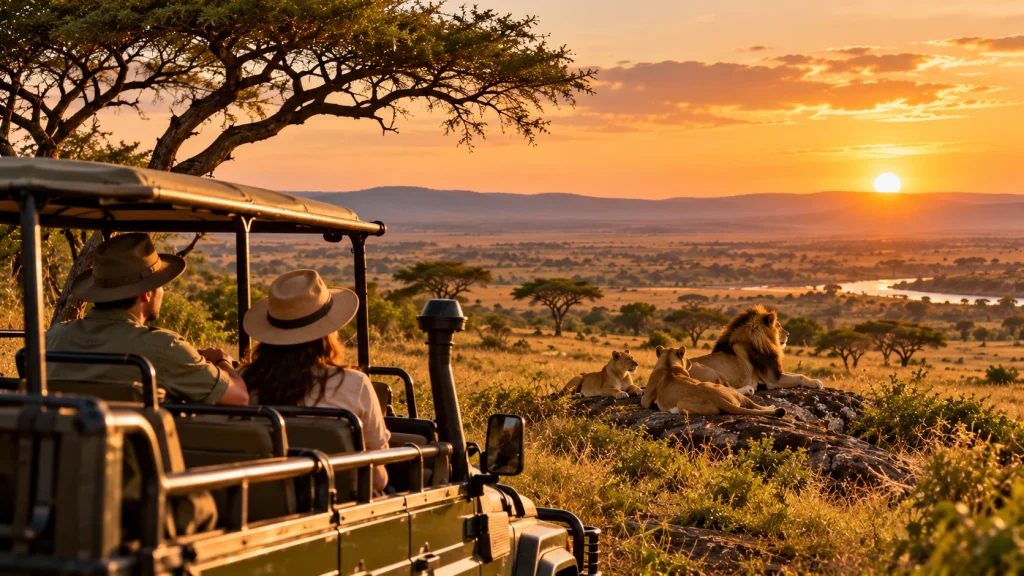
Quick answer: Your first safari is about seeing things for the first time. Your second is about slowing down, going deeper into fewer places, and doing the things the main reserve doesn’t allow — walking safaris, night drives, and time with the same guide and camp staff you remember from before. Industry data backs this up: roughly 65% of people who’ve been on one safari say they want to go again, and repeat travelers consistently gravitate toward private conservancies over the main reserve.
We hear a version of the same thing from almost every guest booking their second Kenya trip: the first time was incredible, but it was also a bit of a blur — new sights, new sounds, a checklist of animals to tick off, and not much time to actually sit with any of it. The second time is different, and it’s worth understanding why before you plan it, because a repeat safari booked the same way as your first one tends to undersell what a return trip can actually be.
Why the First and Second Safari Feel So Different
On a first safari, almost everything is new, so the instinct is to cover as much ground as possible — see the Big Five, visit two or three parks, try to fit in everything Kenya is known for. That’s a completely reasonable way to approach a first trip, and it’s exactly what most of our first-time guests want.
By the second trip, the goal usually shifts. The Big Five checklist has already been ticked. What’s left is the stuff that doesn’t show up on a highlight reel: noticing how a pride’s territory has shifted since last time, recognizing a guide’s voice on the radio, or simply having the patience to sit with one sighting for forty-five minutes instead of moving on to find the next one. Lodge staff across the industry report exactly this pattern — repeat guests often request the same guide by name and want to “follow up on the story of the bush” rather than start from scratch.
The Numbers Behind This
This isn’t just our own observation — the data backs it up consistently across the safari industry:
- Around 65% of people who have already been on one safari say they’d like to take another, according to 2026 travel insurance booking data covering the first half of the year
- Industry-wide, roughly 40% of safari tourists have visited more than once
- At some individual camps, repeat guests make up 60% or more of total visitors, a figure that’s held steady for years rather than being a one-off trend
- Some operators report guests who’ve returned eight or more times to the same region
The pattern across all of this data points the same direction: a safari isn’t a one-and-done bucket-list trip for most people who take one. It’s the start of a relationship with a place.
What Repeat Travelers Actually Do Differently
Fewer parks, more time in each. A first trip often tries to cover 2-3 parks in a week. A second trip more often settles into one region properly — several days in the Masai Mara ecosystem alone, for instance, rather than splitting time across destinations.
Private conservancies over the main reserve. This is one of the clearest patterns among returning guests, and it’s not just about avoiding crowds — conservancies bordering the Masai Mara allow activities the main reserve doesn’t: walking safaris, night drives, and off-road tracking. These are the experiences that make a bush trip feel personal rather than observational, and they’re simply unavailable on a standard main-reserve game drive.
A different season than last time. Guests who visited during migration season the first time often choose calving season, the green season, or simply a quieter month on their return, specifically to see the same landscape behave completely differently.
Smaller details become the draw. Birdlife, tracks, insects, and the wider ecosystem start to matter in a way they didn’t on a first trip focused on “the big stuff.” Guides notice this shift immediately in how questions change from “what animal is that” to “why is it doing that.”
Longer stays, and bringing people along. A common pattern among repeat guests is extending the length of the trip compared to their first visit, and introducing a partner, friend, or family member to a place they already love.
Why Conservancies Specifically Change the Experience
This is worth explaining properly, since it’s the single biggest practical shift between a first and second Masai Mara trip. The main Masai Mara Reserve restricts activity to daytime vehicle game drives on designated tracks. The private conservancies bordering it — leased directly from Maasai landowners, with strict limits on vehicle numbers per sighting — allow night drives, walking safaris, and off-road driving to follow animals directly. For a returning guest who has already experienced the classic game drive, this is where the trip genuinely changes shape, not just in pace but in what’s actually possible.
“Won’t It Just Be the Same Thing Again?”
This is the hesitation we hear most often from guests considering a second trip, and it’s a fair question. The honest answer is that it depends entirely on how you book it. If you repeat the exact same itinerary — same parks, same pace, same main-reserve game drives — then yes, a lot of it will feel familiar. But that’s rarely what actually happens once guests understand the alternative. A conservancy-based second trip genuinely doesn’t resemble a first-trip game drive circuit: different activities, different pace, different wildlife encounters shaped by walking and night viewing rather than only daytime vehicle sightings. The animals haven’t changed, but almost everything about how you experience them has.
The experts we’d trust on this point agree: travelers who return to Africa after decades still describe the wonder as undiminished, just quieter and more personal than the rush of a first trip. It’s less about chasing new “firsts” and more about the reward of actually knowing a place.
If Your First Trip Felt Rushed
A specific group of repeat guests we work with aren’t chasing something new so much as correcting something from their first trip — an itinerary that tried to cover too much ground, too little time in any one place, or a standard shared game drive that never quite let them linger at a sighting. If that sounds like your first Kenya trip, a second one built around a single region, a private vehicle, and no fixed schedule to keep is often less about discovering something new and more about finally doing the first trip properly.
A Sample Second-Safari Itinerary
Days 1-5: A private conservancy bordering the Masai Mara, with a mix of day and night game drives, a guided walking safari, and genuinely unhurried time at each sighting — no rush to cover ground.
Days 6-7: A cultural extension — more time with a Maasai community than a typical first-trip village visit allows, including conversation rather than just observation.
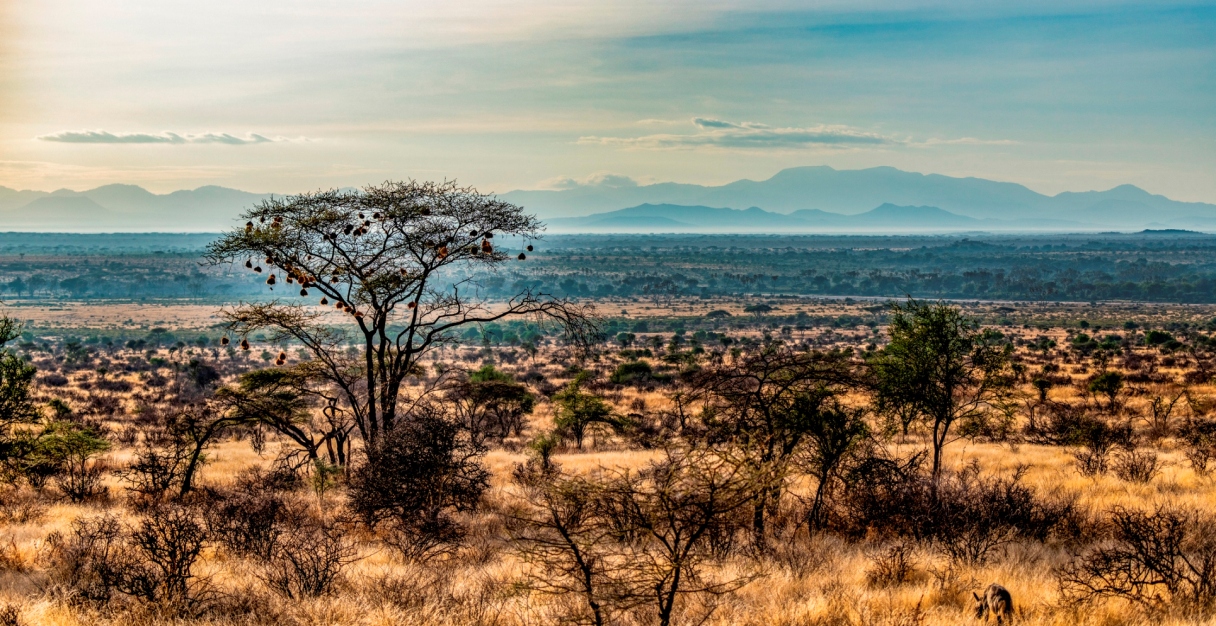
Optional: a different season entirely from your first visit, or a park you skipped the first time around, like Samburu, for a genuinely different landscape and species set.
If you’re choosing a new destination for this trip, our guide to Kenya’s national parks covers the full range, and our Masai Mara destination guide has more on the conservancies specifically.
Frequently Asked Questions
What’s different about a second safari compared to the first?
A second safari tends to focus on fewer places visited more deeply, private conservancies over the main reserve, and activities like walking safaris and night drives that aren’t available on a standard first-trip game drive.
Are private conservancies worth it for a repeat visitor?
Yes — conservancies allow activities the main Masai Mara Reserve doesn’t, including night drives and walking safaris, which is exactly the kind of deeper experience most returning guests are looking for.
Should I visit a different season on my second trip?
It’s worth considering — many repeat guests deliberately choose a different season (calving season, the green months, or simply a quieter time) specifically to see familiar landscapes behave differently.
Is it common for people to return to the same safari region multiple times?
Yes — some operators report guests who’ve returned to the same region eight or more times, and at some individual camps, repeat guests make up 60% or more of all visitors.
Should a second safari be longer than the first?
Many returning guests do extend their trip length compared to their first visit, often specifically to allow for the slower pace that private conservancies and walking safaris reward.
Can I request the same guide on a return visit?
Yes, and it’s genuinely common — requesting a familiar guide is one of the most consistent patterns among repeat safari guests industry-wide, and we’re happy to arrange this where possible.
Will a second safari feel repetitive if I book it the same way as my first?
It can, which is why most returning guests change something meaningful — the region, the pace, the accommodation type, or the activities available — rather than repeating the same itinerary structure.
Is a second safari a good idea if my first trip felt rushed?
Yes — a second trip is often the chance to do properly what felt hurried the first time, usually by covering less ground, choosing a private vehicle, and building in more unstructured time at each sighting.
Plan Your Return to Kenya
If you’ve already done the classic game drive, we’d love to show you what’s next — private conservancies, night drives, walking safaris, and a slower, more personal pace. Get in touch and tell us about your first trip, and one of our Maasai guides will help build a second one that goes somewhere your first one couldn’t.