
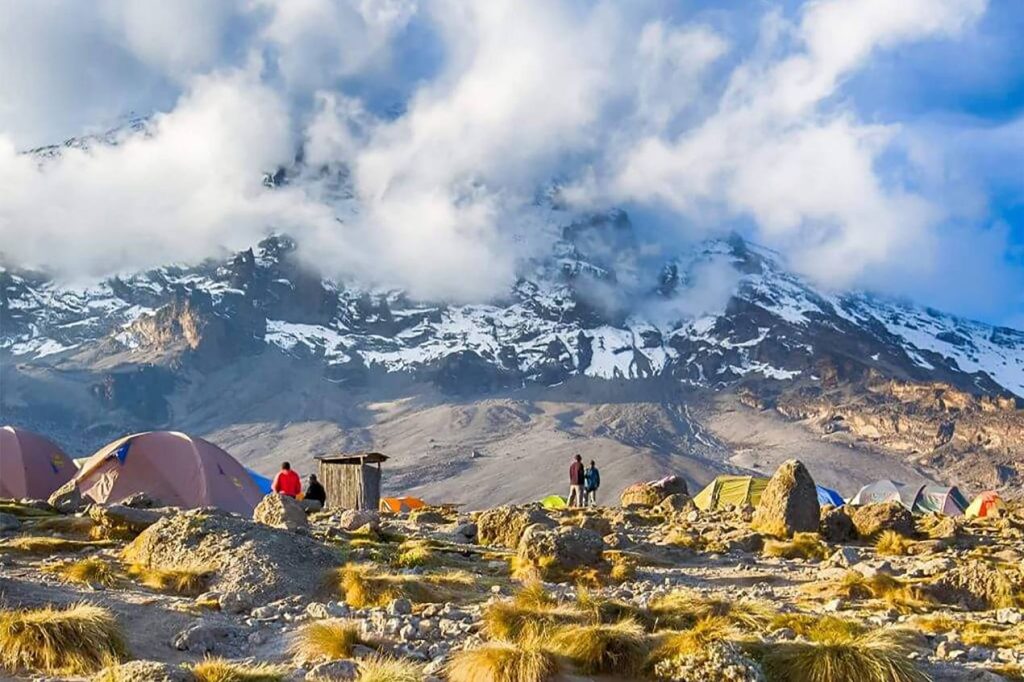
Mount Kilimanjaro and Mount Kenya have some of the most beautiful landscapes on the continent, but none can compare with the beauty of the two legendary mountains. Adventure seekers visit these iconic peaks each year, as they rise high above the clouds, while still piercing through trees and glaciers.
Both mountains are beautiful and present a variety of challenges, experiences, and views at each level. Although they lie within different countries, Mount Kenya is located in Kenya, while Mount Kilimanjaro lies in Tanzania; both have similar reputations as the best climbing locations in Africa. Both mountains present different landscapes and ecosystems, both for beginning climbers and experienced ones.
This article will provide the reader with a detailed analysis of Mount Kenya and Mount Kilimanjaro, as well as why each mountain is so popular and what makes them unique. It also helps to make an informed decision as to which mountain adventure is best for the reader’s next vacation.
Mount Kenya and Mount Kilimanjaro Are Africa’s Top Climbing Destinations
Mount Kilimanjaro and Mount Kenya are the best-known mountains in Africa due to their beautiful scenery, gigantic stature, ease of access, and many different routes available to climb both mountains. People from all over the world, including Europe, Asia, and North America, as well as other African countries, have traveled to climb these majestic mountains.
The Reason to Climb
- Stunning scenery that constantly changes as you ascend.
- Easy to climb for many people, as there are no technical skills needed to climb the majority of the routes.
- Both mountains are accessible to beginners (and for more experienced hikers).
- Excellent infrastructure (i.e., support, guides, accommodation).
- Breathtaking sunrises and views of clouds.
- Eastern Africa locations make it very easy to travel (fly direct) from Nairobi, Arusha, and Moshi.
Whether you want to have a truly unique experience or a challenging climb, Mount Kilimanjaro and Mount Kenya provide both!
Getting to Know Mount Kenya
Summary
At 5,199 meters (17,057 feet), Mount Kenya is the second-tallest mountain in Africa after Mount Kilimanjaro, with three main peaks:
- Batian, the highest peak (5,199m), and technically demanding.
- Nelion (5,188m) also requires technical climbing skills.
- Point Lenana (4,985m), the most trekkable and popular among tourists.
Most people who attempt to summit Mount Kenya will aim for Point Lenana, as it provides an achievable yet challenging summit for trekkers of all levels.
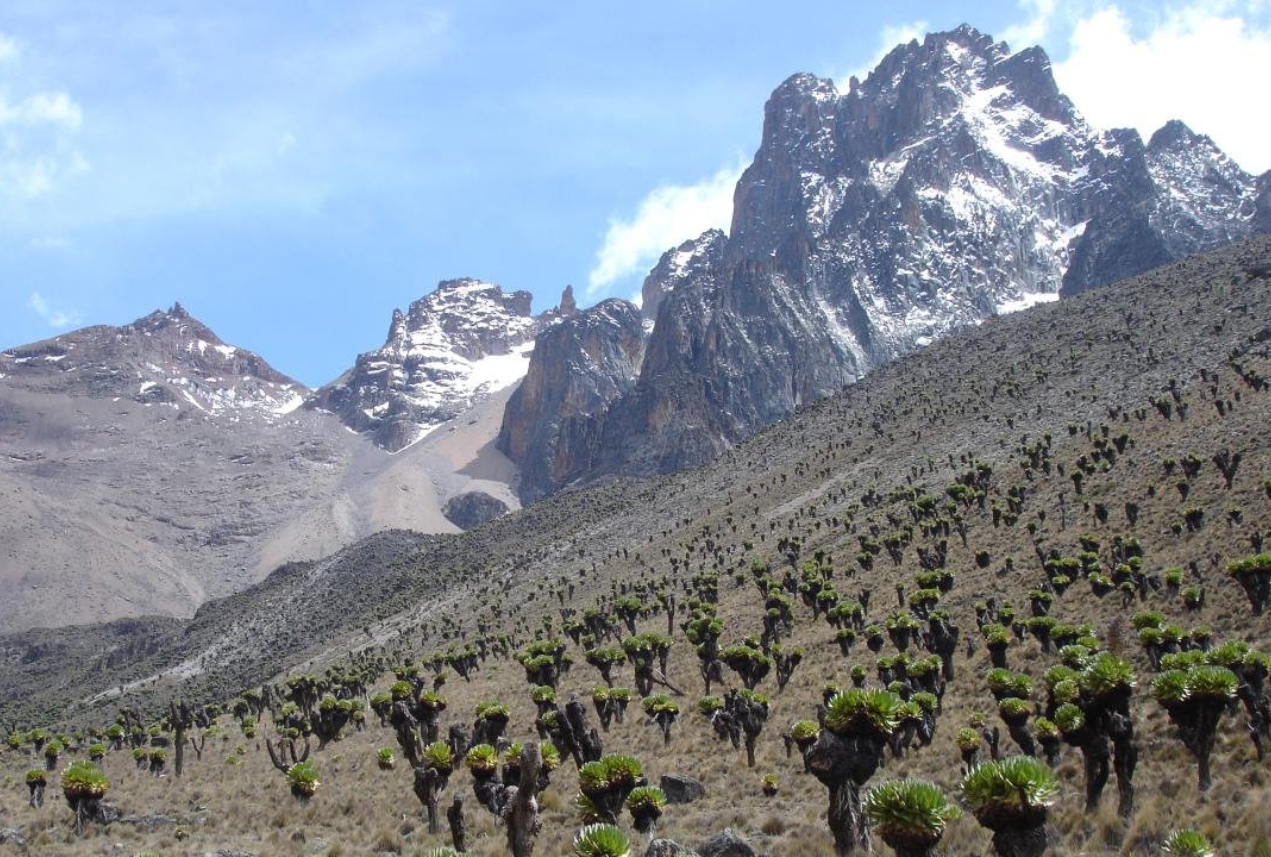
Why Climb Mount Kenya?
1. Less Crowds Than Climbing Kilimanjaro
Mount Kenya offers trekkers a much quieter and more peaceful hiking experience because there are many hours when hikers do not see another person.
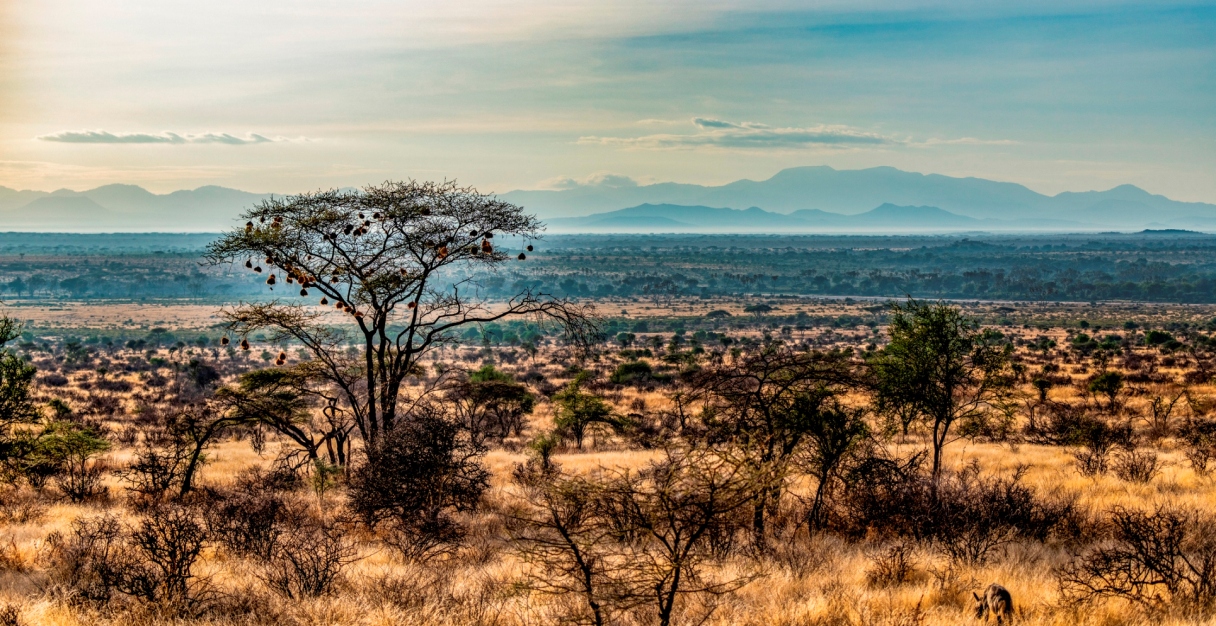
2. Breathtaking, Diverse Scenery
Mount Kenya features beautiful scenery ranging from:
- Dense montane forests
- Bamboo zones
- Alpine moors
- Lakes at high altitude
- Ancient glaciers
- Dramatic rock formations
- These landscapes look like something from a fantasy movie.
3. Unique Wildlife
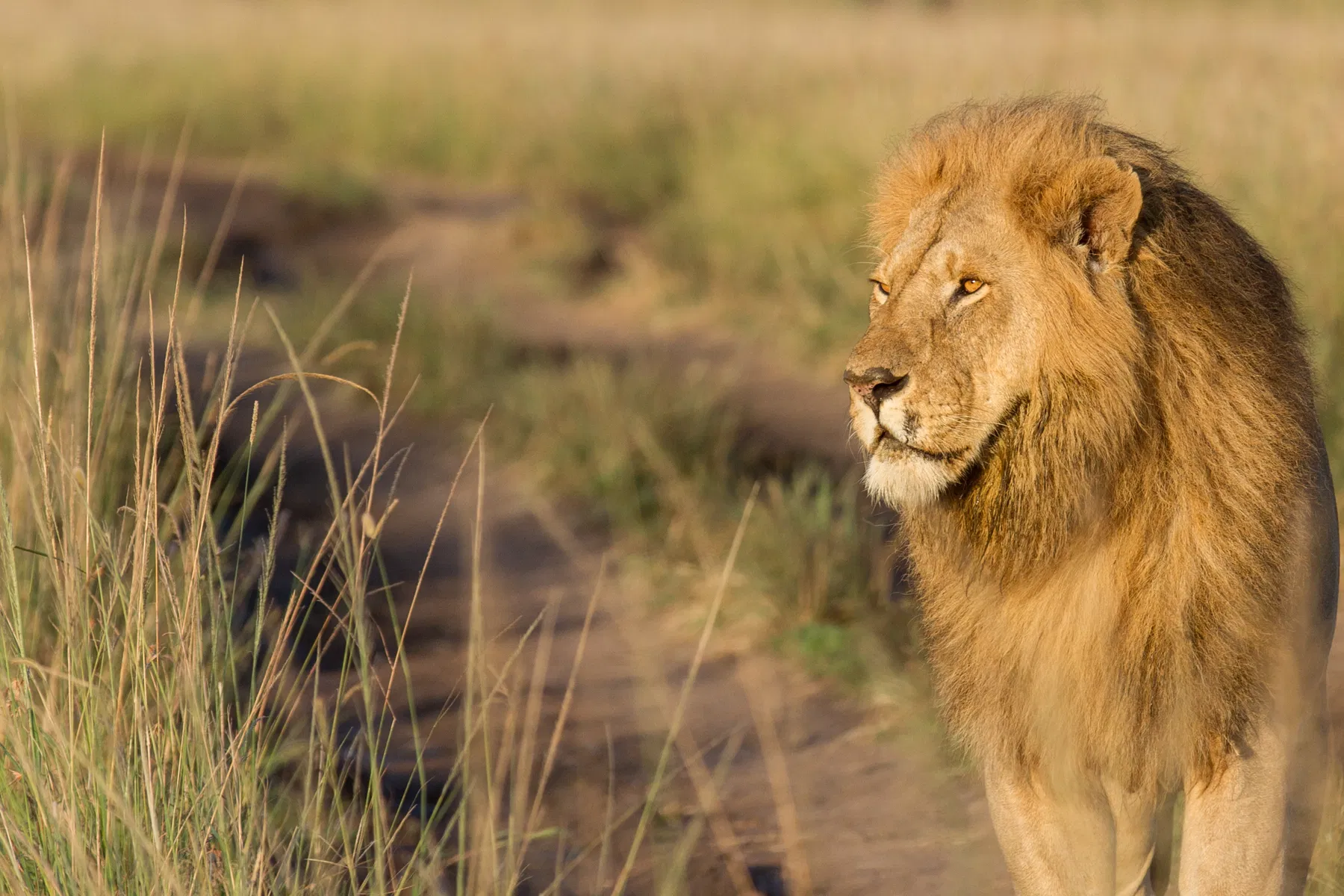
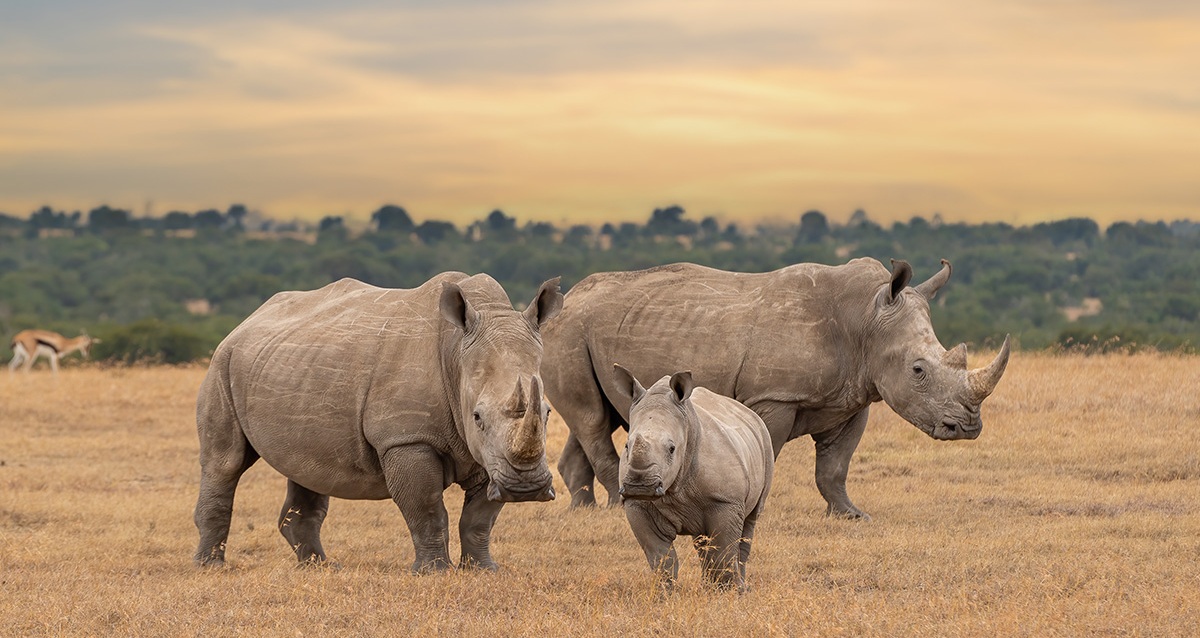
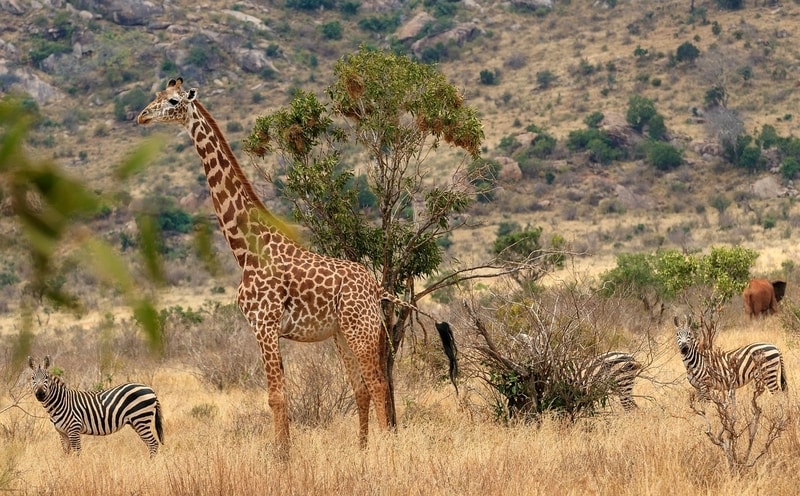
There are diverse species of wildlife found in Mount Kenya National Park, such as:
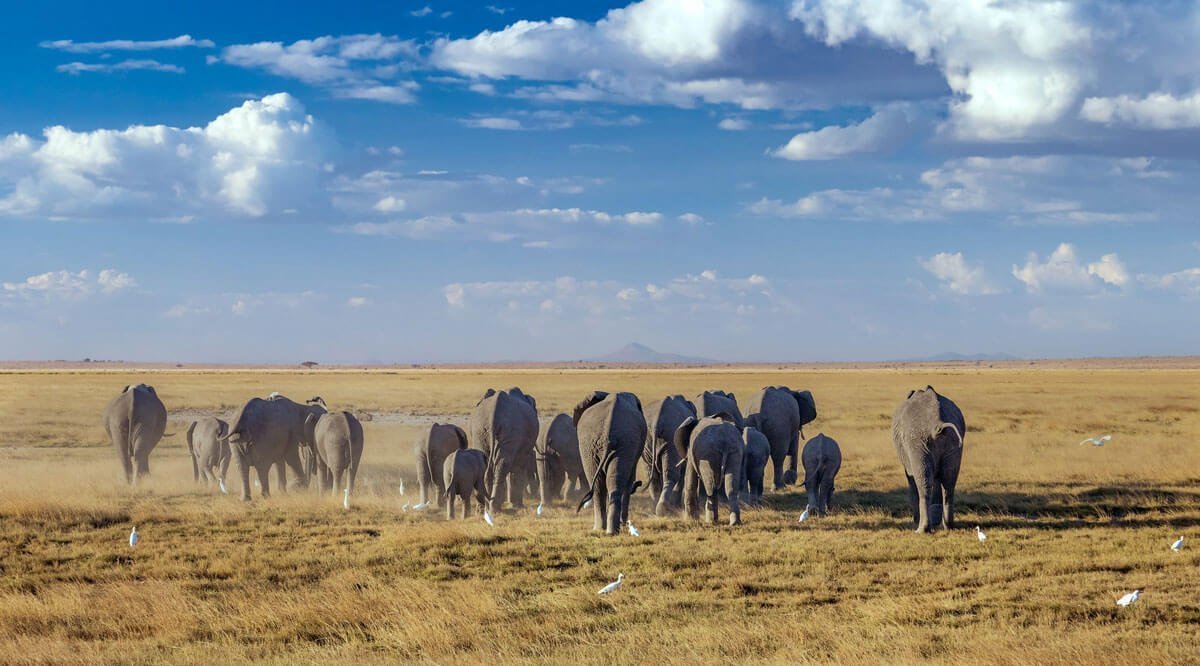
- Elephants
- Buffalo
- Colobus monkeys
- Giant forest hogs
- Hyrax
Rare species like the rock hyrax are found at high elevations.
It is possible to see wildlife near the campsites.
4. Shorter Schedule to Climb
Most trekkers who attempt to climb to Point Lenana take 4-5 days, so it is a good option for people who have limited time to travel.
Routes on Mount Kenya
Trekking on Mount Kenya can be done on several different routes. Each route has its own charm.
The Sirimon Route is the most popular. It is a gentle, easy, scenic route, ideal for acclimatisation. This route has stunning forests, as well as wide open moorlands.
The Naro Moru Route is the fastest route up and the fastest route down. It is well known because of the “Vertical Bog”, which is located on this trail.
The Chogoria Route is a very scenic trail, and many have said that it is the most beautiful route on Mount Kenya. There are many lakes, waterfalls, and steep valleys, making this a great trail to climb down from the summit. However, it can also be used to climb up.
The Summit Circuit combines both routes, offering the best scenery and acclimatisation.
Best Time to Climb Mount Kenya
Although Mount Kenya allows climbers to climb throughout the year, the best time to climb is during January/March & July/October, due to stable weather and excellent views of the summit during these times.
If you choose to climb during the rainy months (April–June and November), these times of year can be very difficult since the paths will likely be very slippery, but it is an option if you are willing to take risks.
Getting to Know Mount Kilimanjaro
In brief:
At 5895 meters (19341 feet), Mount Kilimanjaro is the highest mountain in Africa and the highest free-standing mountain anywhere in the world. The snow-topped summit of Mount Kilimanjaro (Uhuru Peak) attracts more climbers than any other peak in Africa.
Mount Kilimanjaro is popular because you don’t need to use any technical climbing skills to hike on its routes, making it easier for fit beginners to experience this amazing adventure.
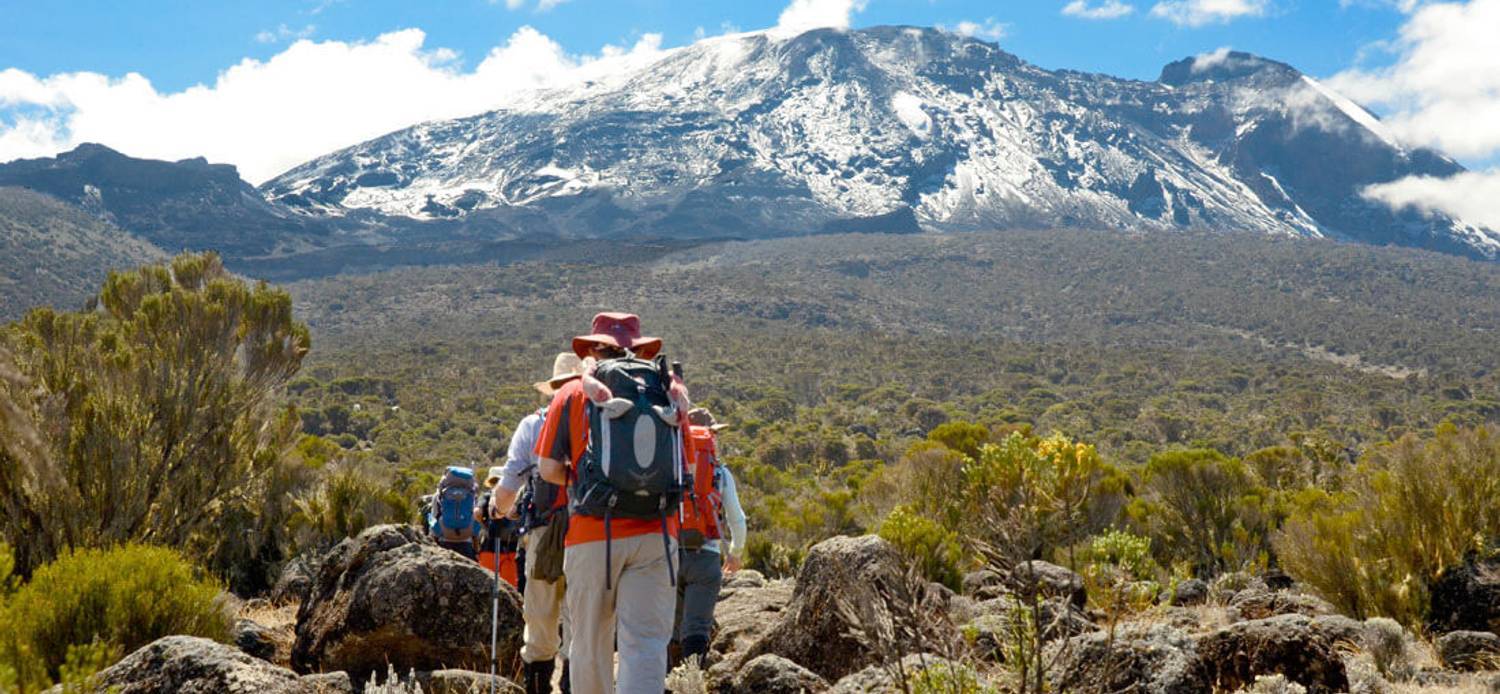
Reasons to Climb Mount Kilimanjaro:
1. The highest peak in Africa!
Standing on Uhuru Peak (Roof of Africa) is a once-in-a-lifetime opportunity.
2. The stunning ecosystem!
Climbing Mount Kilimanjaro offers you five unique ecological zones:
- Rainforest
- Heath/Moorland
- Alpine Desert
- Arctic Summit
Each day presents an entirely different view while climbing.
3. Challenging but Fulfilling
Although it is very tall, Mount Kilimanjaro can be climbed without climbing ropes or any technical equipment. It will take you several days to acclimatize, however, and you need to keep a good steady pace.
4. Global Recognition
Climbing Mount Kilimanjaro is an experience that everyone should have on their bucket list and is recognized as one of the most impressive accomplishments for adventure seekers around the globe!
Routes on Mount Kilimanjaro
Kilimanjaro has many routes to climb the mountain (more options) than Mount Kenya, which has fewer.
The following routes to climb Kilimanjaro include:
- Marangu Route (“Coca-Cola Route”) – hut accommodations. Shorter route compared to the others, but the lowest success rate.
- Machame Route (“Whiskey Route”) – popular with climbers, the route has beautiful scenery and a high success rate when climbing.
- Lemosho Route – the most scenic, offers excellent opportunities for acclimatization.
- Rongai Route – ascent from the north side, not as busy with climbing traffic.
- Umbwe Route – only for experts; steep, difficult, challenging climb.
Climbers typically choose Machame or Lemosho for their climb for a mixture of beauty and success.
Best Time to Climb Mount Kilimanjaro
Kilimanjaro is accessible for climbing at any time of year; however, the prime climbing season occurs during the following periods:
- January to March
- June to October
During these times, there will be drier conditions, improved views, and less risk of slipping.
The months of April and May, along with November, constitute Kilimanjaro’s Rainy Seasons. Thus, expect to encounter very muddy trails that are likely covered by fog.
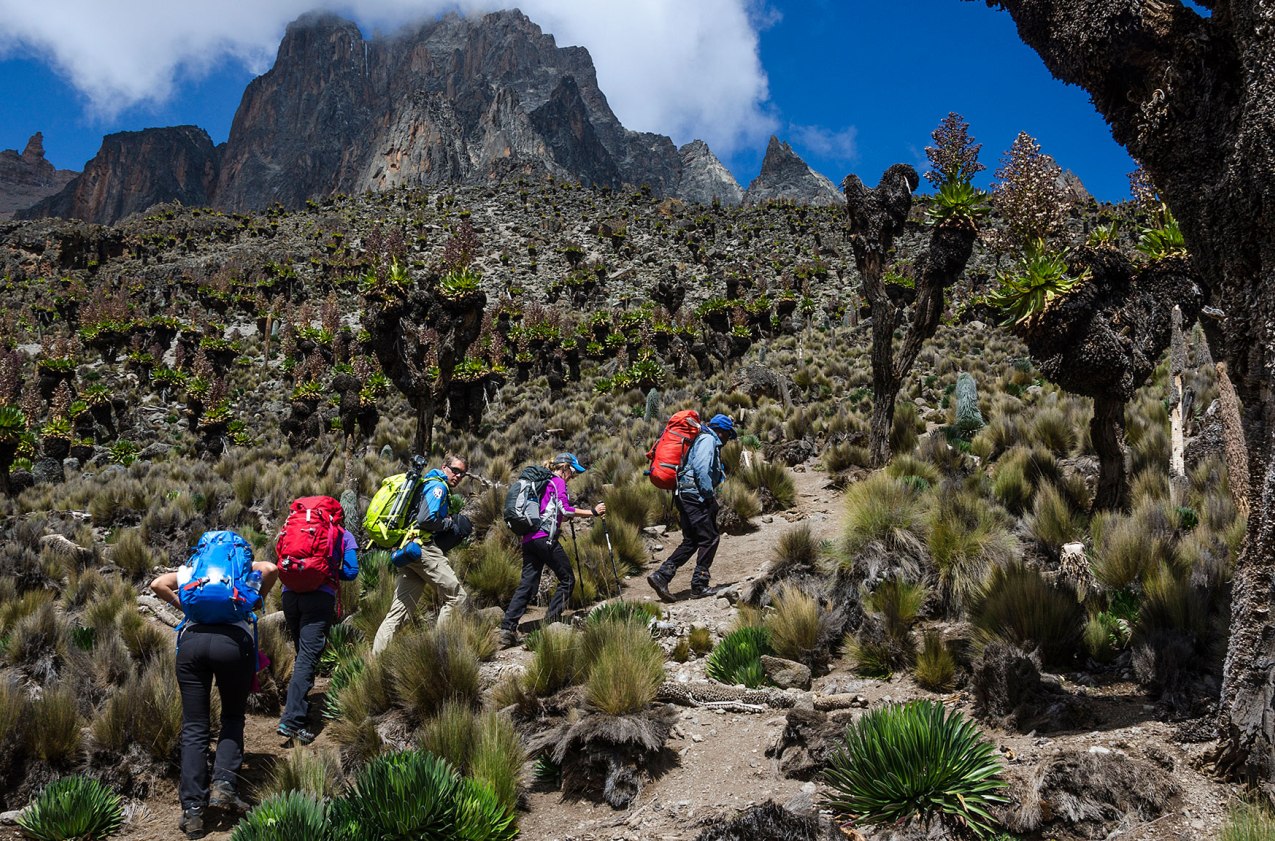
Comparing Mount Kenya and Mount Kilimanjaro
If you’re trying to decide between two mountains or looking to climb both, this is a simple way to compare them.
1. Level of Difficulty
Mount Kenya – Technical climbing on Batian or Nelion; Point Lenana is easier, albeit moderately.
Kilimanjaro – Physically demanding, but not technical.
2. Level of Activity
Mount Kenya – Quiet and peaceful.
Kilimanjaro – Busy during peak season (high-season climbing).
3. Scenery
Mount Kenya – Sharp peaks, glaciers, lakes, rocky terrain.
Kilimanjaro – Gentle sloping hills, vast ecosystems, and a snow-capped peak.
4. Duration of Climb
Mount Kenya – Lenana is typically a 4–5
5. Wildlife and Nature on Both Mountains
Neither Mount Kenya nor Kilimanjaro is considered a traditional safari destination; however, both are located
Near national parks, which are rich in wildlife and have animals that can be found in these mountains:
Mount Kenya Wildlife:
- elephants
- buffalos
- hyenas
- antelopes
- eagles and turacos
Kilimanjaro Wildlife:
- Colobus monkeys and blue monkeys
- Bushbucks
- Duikers
- Hornbills and sunbirds
- Giant lobelias and Senecios (high altitude vegetation).
Choosing the Right Mountain for You
To assist in your decision-making process, consider the following goals:
Mount Kenya is a good option if you orient yourself around the following characteristics:
- More secluded, less travelled experience
- Shorter climb
- Lower cost
- Diverse and striking landscapes
- A potential gateway to more advanced climbing techniques
- Choose Mount Kilimanjaro if you are primarily concerned with:
- Obtaining bragging rights related to climbing Africa’s highest point
Planning on a longer, more physical and mentally exhausting journey spanning multiple days
Committing to an achievement on your bucket list of travel destinations
Experiencing varying climates and diverse vegetation types across several climate zones
Consider climbing both if you want to experience all that East Africa has to offer when it comes to climbing; many tourists/campers choose to climb both mountains during the same tour.
Accommodation and Services
Climbers will find adequate infrastructure on either of the mountains.
Mount Kenya:
There are two options on Mount Kenya
- Tented Camps
- Huts
- Camps near the base of the mountain (Serena Mountain Lodge, Old Moses Camp, Shipton Camp)
Mount Kilimanjaro:
There are two options on Mount Kilimanjaro
- Huts (by Marangu Route)
- Tented Camps (by Machame, Lemosho, Rongai, Umbwe Routes)
- Hotels located in Moshi and Arusha for pre- and post-climb accommodations
Professional guides and porters can be hired to assist on either mountain.
Essential Tips for a Successful Climb
Properly Acclimatize
It’s important to acclimatize at your own pace; each person acclimatizes to altitude differently.
Pack Smartly
Ensure that your packing lists include sufficient layers of clothing for warmth, high-quality boots, rain gear, warm gloves, and a good headlamp.
Keep Hydrated
To assist with your acclimatization, drink lots of water.
Prepare Yourself With Training Before Hiking
Long walks, walking, and climbing stairs are all good methods of preparing yourself for your physical exertion during your hike.
Experienced guides can make your experience safer while increasing your chances of success.
Move Slow.
Remember the phrase used in Swahili: pole pole. Moving slowly and steadily will ensure the completion of your journey.
Why These Mountains Are More Than Just Climbs
The experience of climbing Mount Kenya or Mount Kilimanjaro is not only a test of physical endurance; it is an experience both mentally and emotionally. Since the journey starts in lush lush rainforests with abundant plant and animal life and ends on top of the world, that feeling when you have reached the summit and see the sun come up over Africa 3000m+ above sea level is like no other.
This is the kind of feeling that few adventure travellers will ever know.
Many climbers share these common feelings after they have reached the top of either mountain:
- Accomplishment
- Connection to Nature
- Personal Growth & Transformation
- Memories that Never Fade
- New Friends Made on the Way.
Mount Kenya and Kilimanjaro are not simply places to travel; they provide significant opportunities for exploration of yourself, your soul, and your purpose.
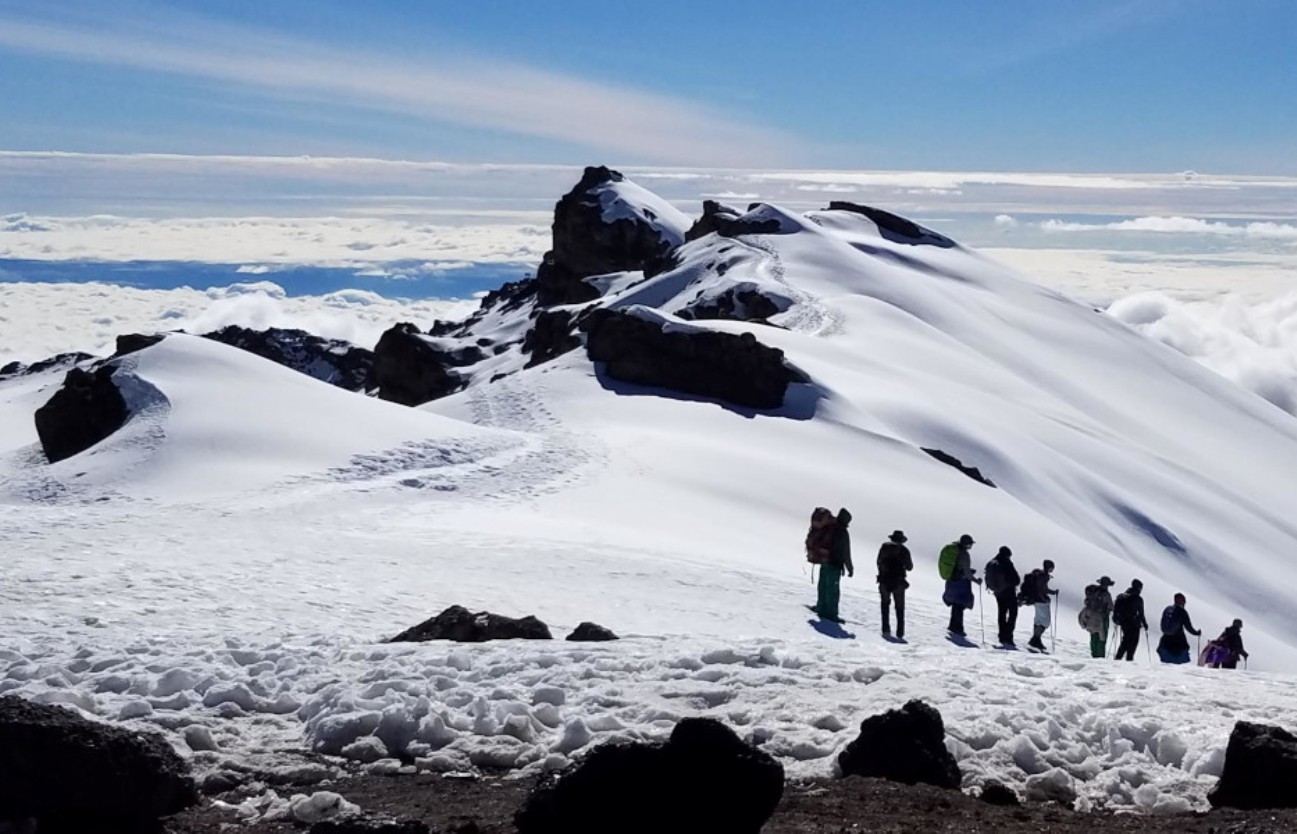
Final Thoughts: Two Icons, One Continent
Mount Kenya and Mount Kilimanjaro are two of the most popular mountain climbing locations in Africa. While they have similar characteristics, each offers a different experience. Point Lenana (on Mount Kenya) is a popular introductory climb, while Uhuru Peak (on Mount Kilimanjaro) is viewed as the ultimate goal by many climbers.
No matter which peak you choose, climbing to either one will leave you with feelings of awe, accomplishment, and an appreciation of Africa’s scenic beauty.
These two mountains are perfect for novice climbers, experienced climbers, and people who just want to give it a try. If you’re searching for your next adventure, consider climbing one of the peaks in East Africa!