
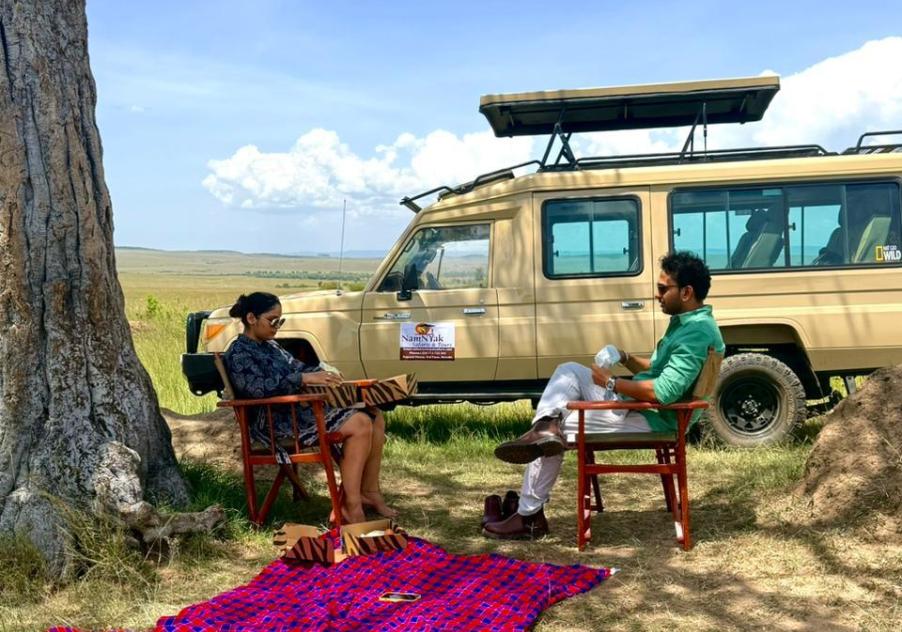
A Complete, Honest & High‑Value Guide
When planning your dream African safari, one of the biggest questions travelers ask is: “Which is better — Kenya or Tanzania?” Both countries are home to some of the world’s greatest wildlife destinations, dramatic landscapes, and rich cultures. But they are also distinct in how they deliver the safari experience.
At Namnyak Safaris, we’ve helped thousands of travelers explore East Africa — from first‑timers and families to safari veterans and luxury adventurers. In this guide, we break down every key factor — wildlife, landscapes, culture, accommodations, timing, costs, access, and unique experiences — to help you make the best choice for your perfect safari.
Introduction: Kenya & Tanzania — Safari Powerhouses of East Africa
Kenya and Tanzania sit side‑by‑side in East Africa, both shaped by the dramatic Great Rift Valley, endless savannah plains, and some of the most iconic national parks on earth. Together, they tell the story of Africa’s wildlife, from the thundering herds of the Great Migration to majestic predators, towering elephants, and rare species found nowhere else.
But while they share similarities, the feel and focus of safari in each country can be quite different.
Before we get into the details, let’s establish one thing clearly:
There is no “wrong” choice — only the best choice for your safari goals.
Whether you choose Kenya, Tanzania, or both, you will experience the magic that has drawn explorers and nature lovers for generations.
-
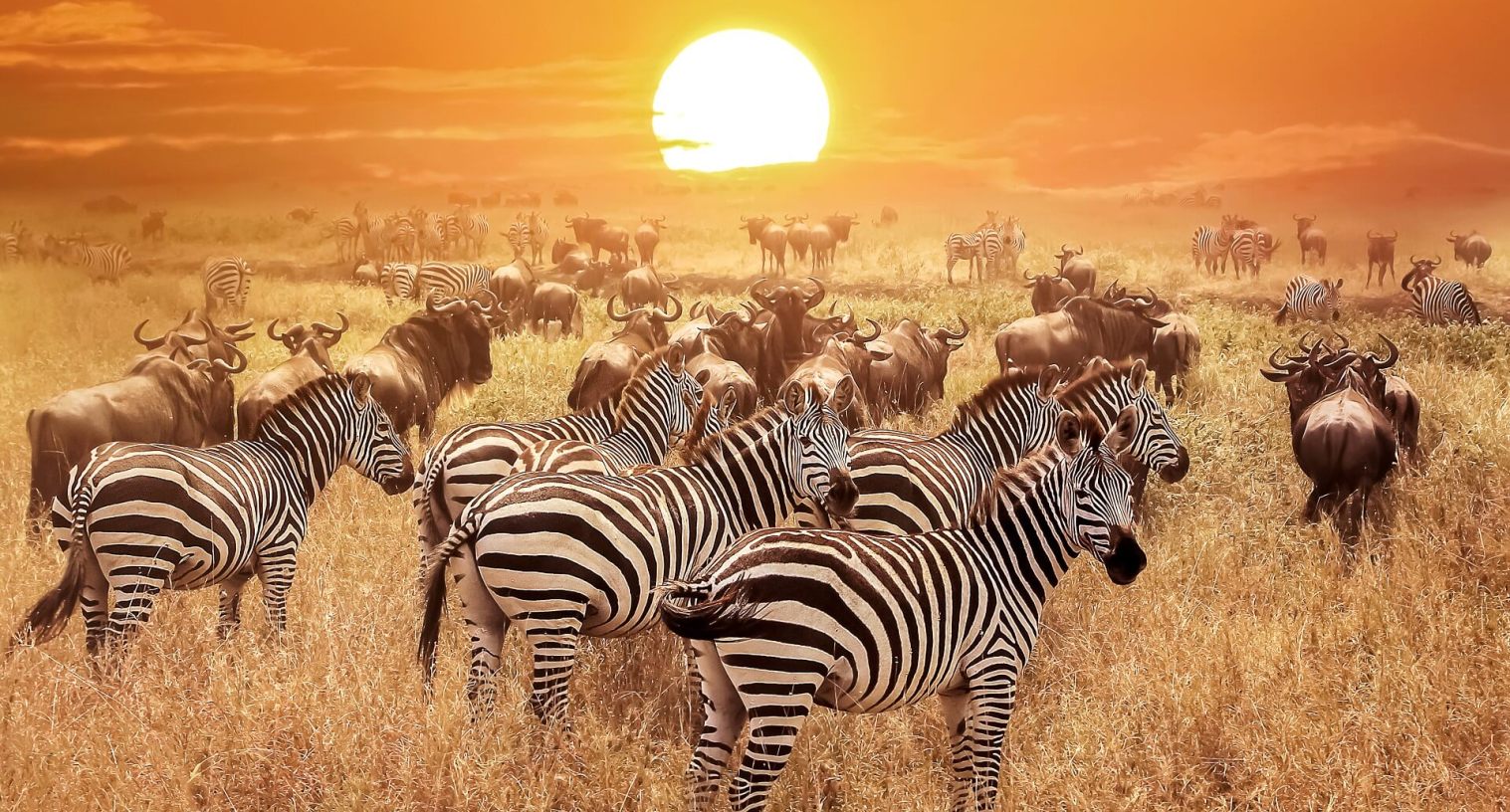
Wildlife: Who Sees More?
Kenya — Diverse Icons, Concentrated Viewing
Kenya is home to some of Africa’s most celebrated parks:
- Masai Mara National Reserve — Legendary for Big Cats and the Great Migration
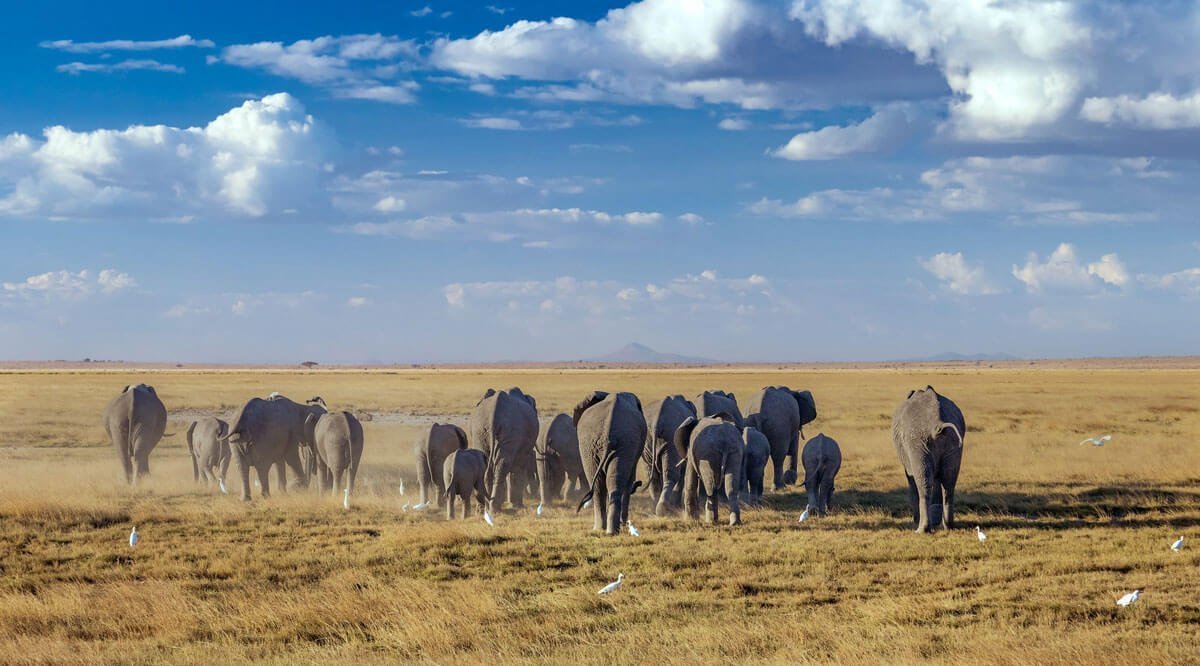
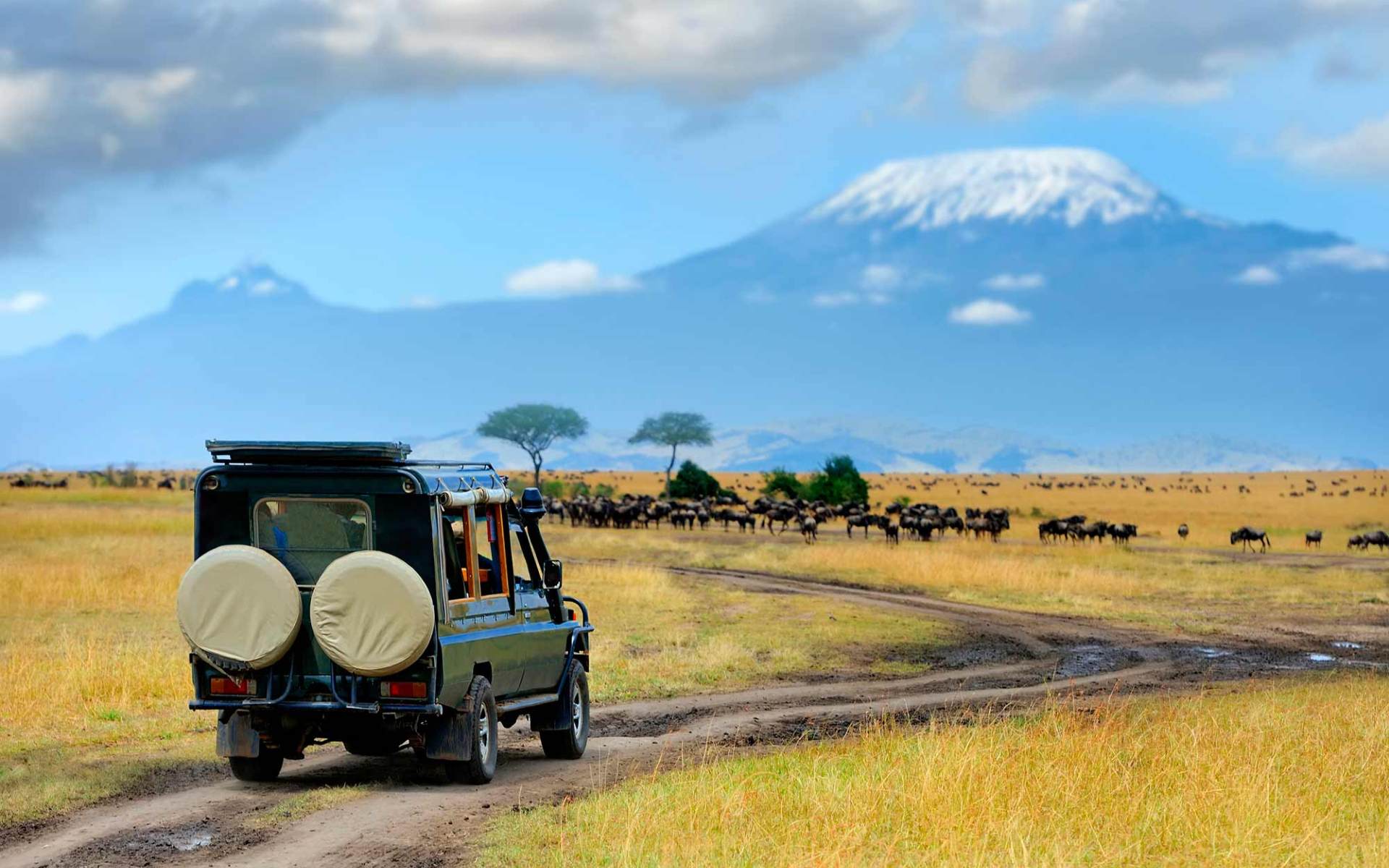
- Amboseli National Park — Elephants with Mount Kilimanjaro as a backdrop
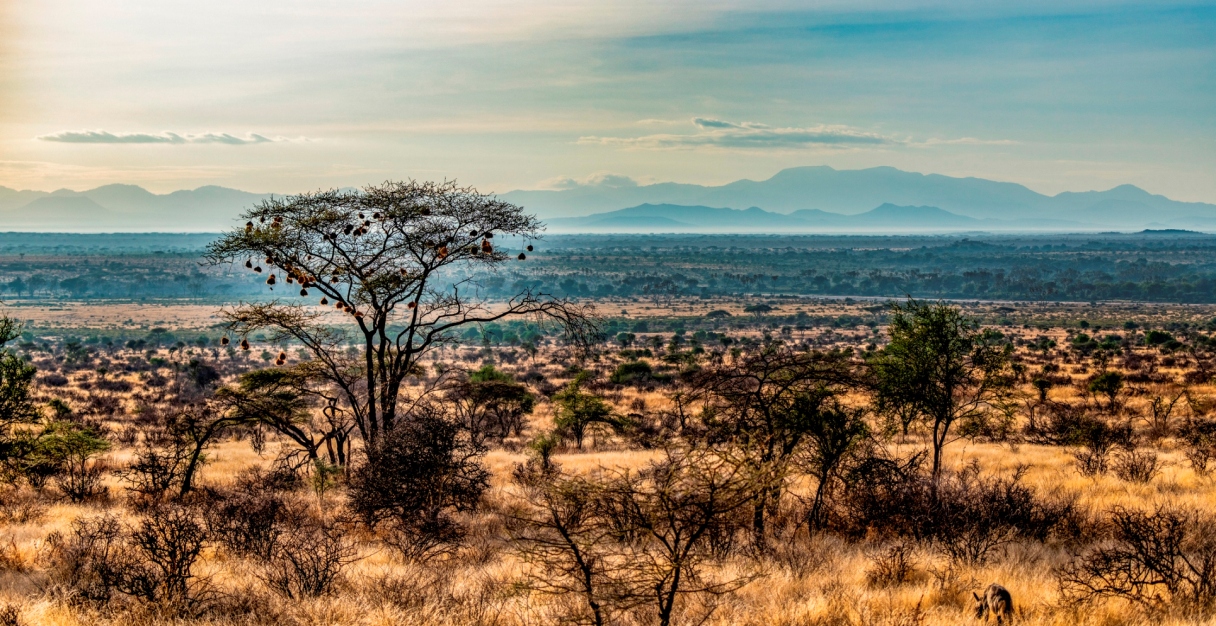
- Samburu National Reserve — Rare northern species such as Gerenuk & Grevy’s Zebra
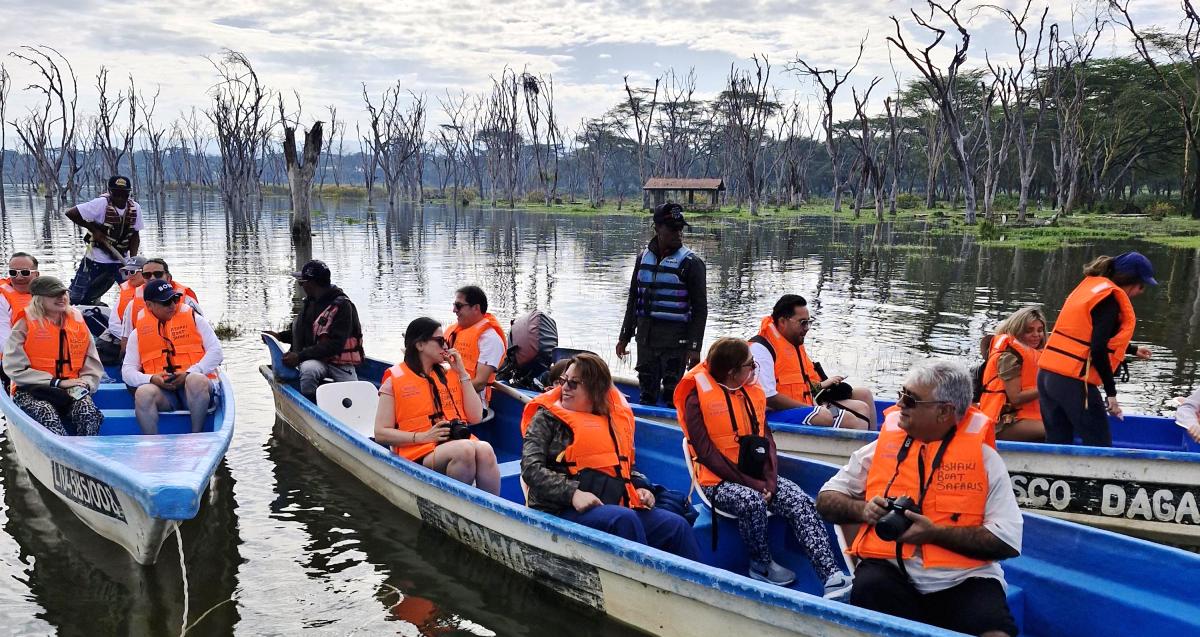
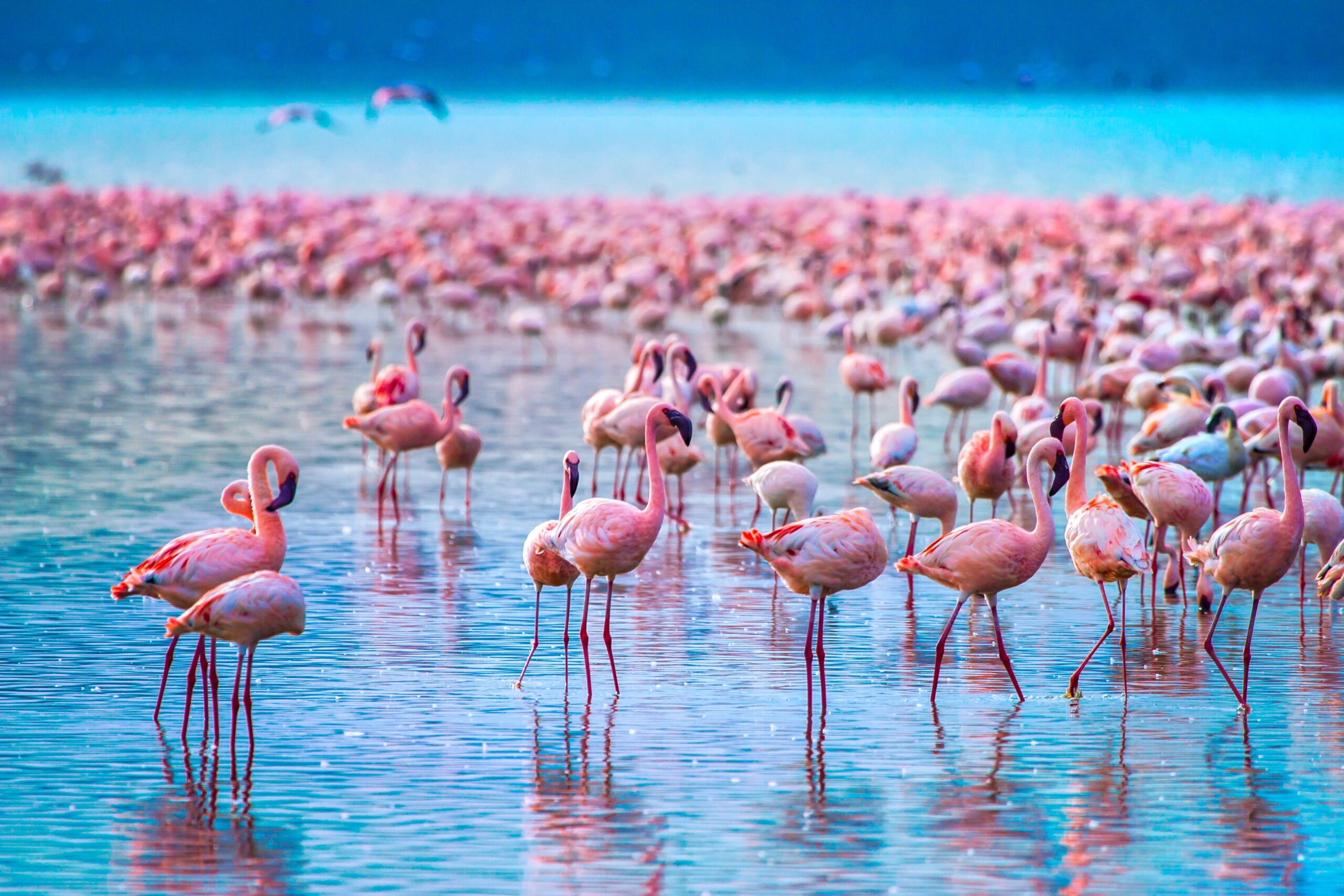
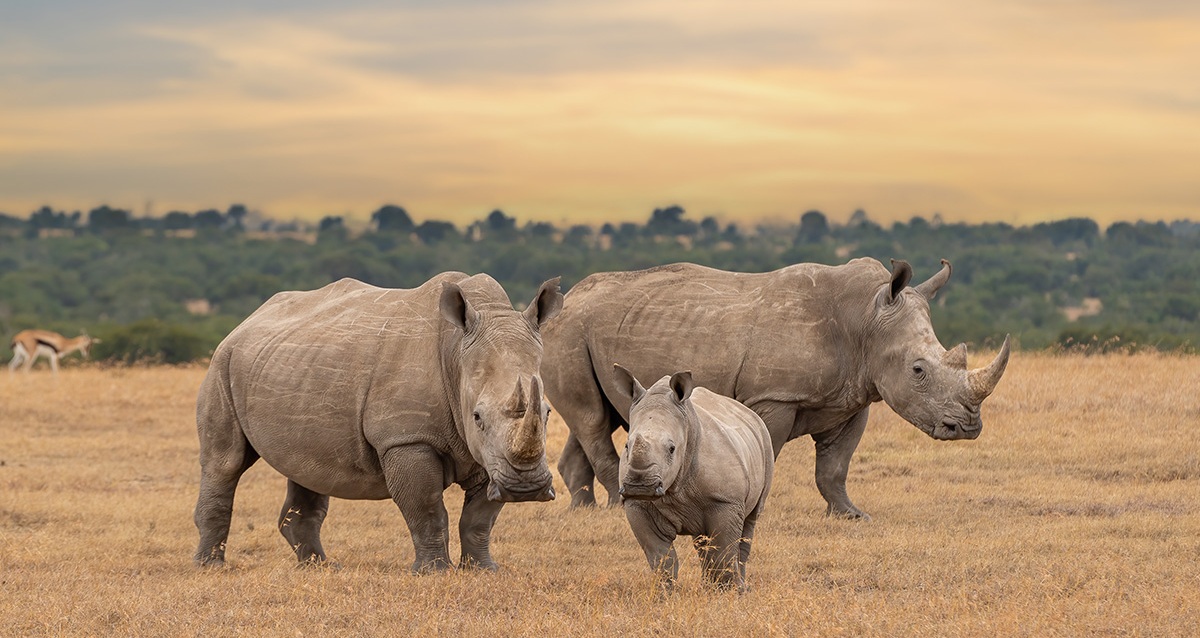
- Lake Nakuru & Lake Elementeita — Rhinos and multitudes of birds
Kenya’s greatest advantage is game density and accessibility. Because parks like Masai Mara are well‑connected and relatively compact, you can enjoy multiple quality game drives within a short period — ideal for travelers with limited time.
Masai Mara alone consistently delivers:
- High predator sightings
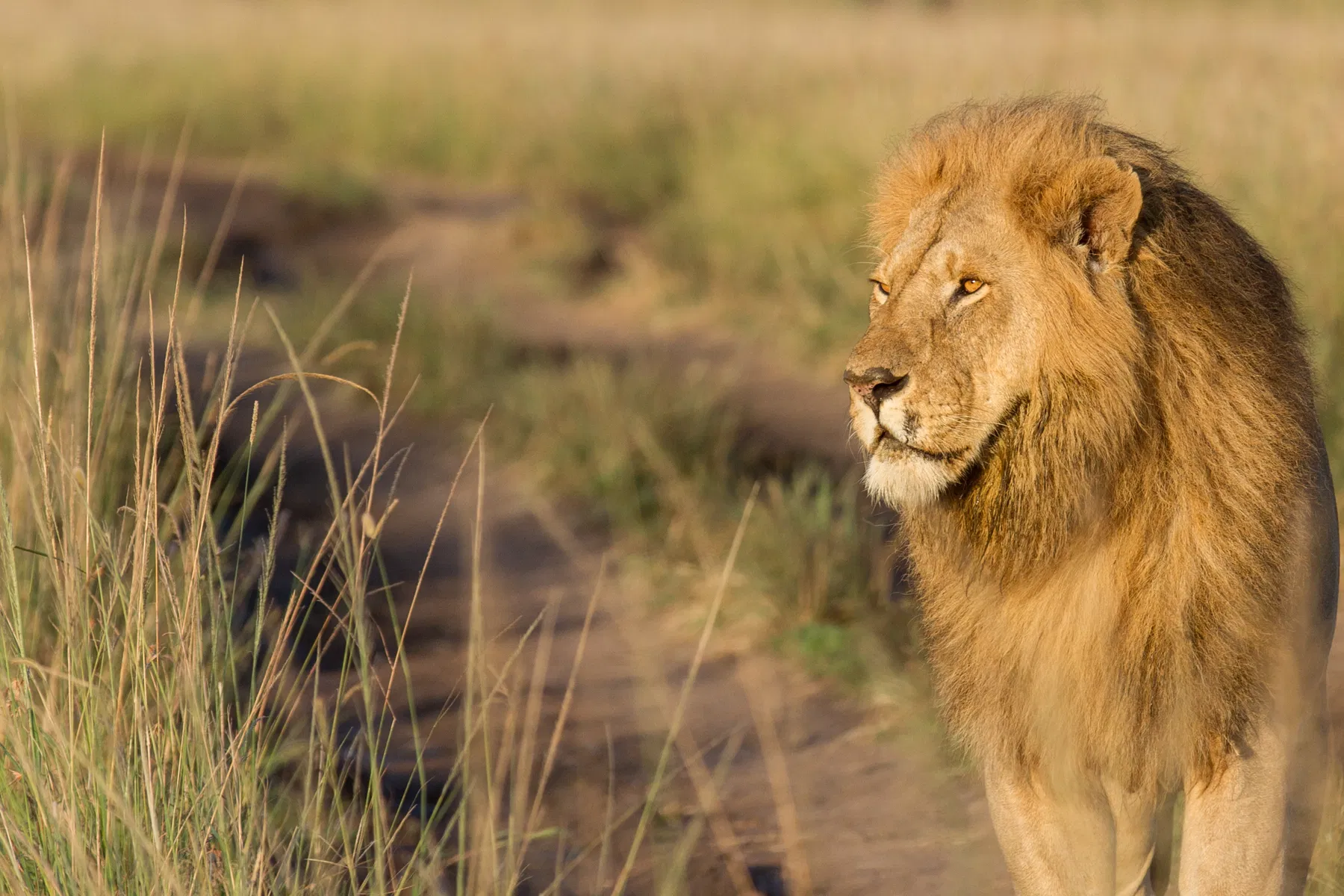
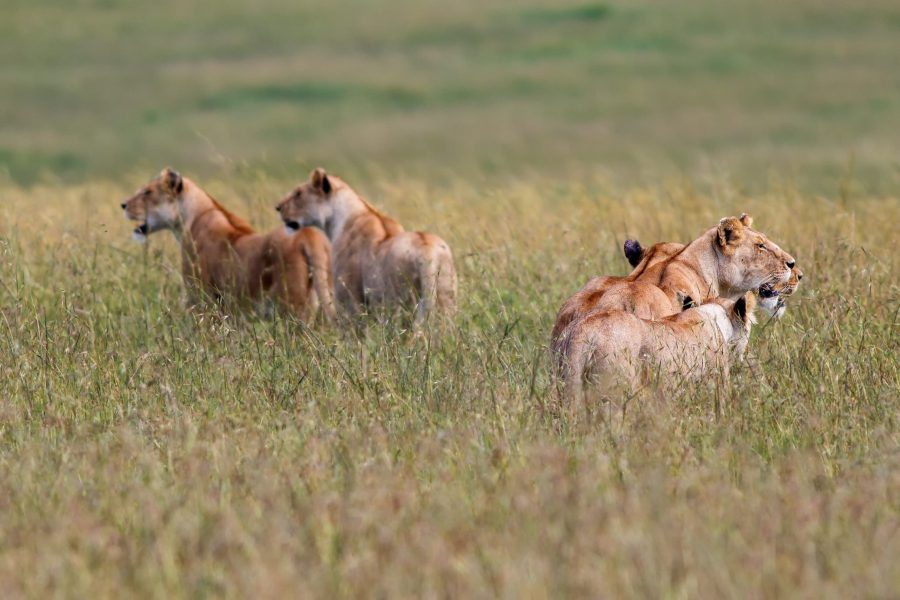
- Frequent Big Five encounters
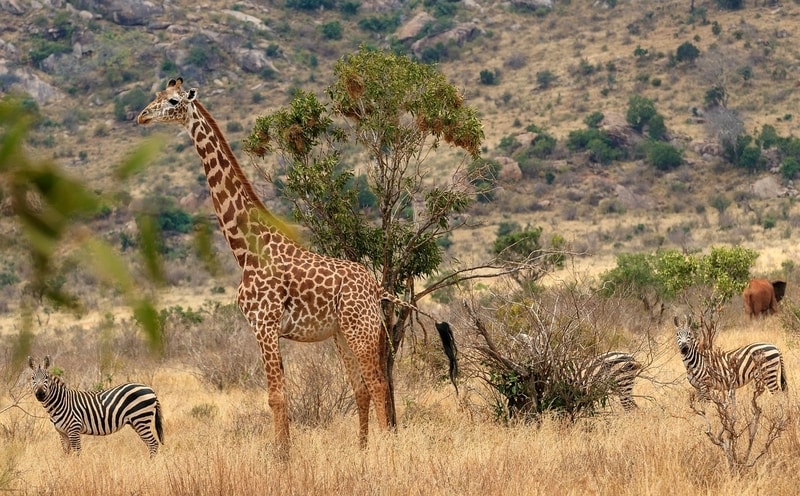
- Daily interactions with massive plains game herds
This makes Kenya particularly strong if your goal is classic, dependable wildlife viewing.
Tanzania — Vast Wilderness & Iconic Spectacles
Tanzania’s wildlife heritage is no less impressive — it just plays out on a larger scale:
- Serengeti National Park — One of the oldest ecosystems on Earth
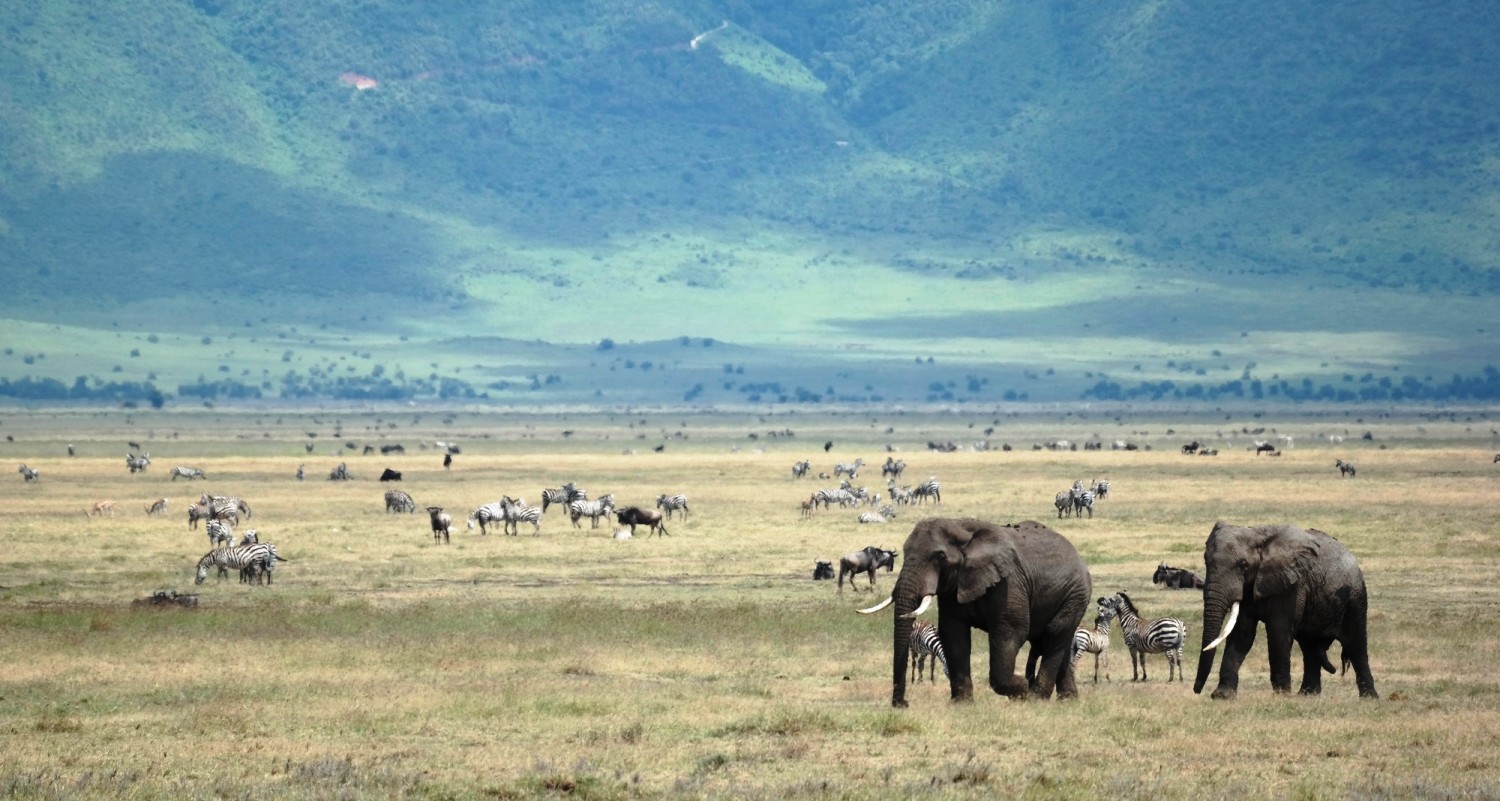
- Ngorongoro Crater — A natural wildlife amphitheater
- Tarangire National Park — Enormous elephant herds and baobab‑lined plains
- Ruaha & Selous — Remote, wild, and uniquely unspoiled
Tanzania’s signature event is the Great Migration, a year‑round movement of millions of wildebeest and zebras between the Serengeti and Kenya’s Masai Mara. Many safari lovers consider witnessing river crossings (especially in the Serengeti) to be the ultimate wildlife moment.
Because the parks are larger and more spread out, encounters in Tanzania can feel more unfiltered, more “in the wild”, especially in less visited reserves. This appeals to travelers seeking depth and pure wilderness experience.
Verdict: Wildlife Showdown
Kenya is ideal if you want:
✔ High probability of daily predator sightings
✔ Excellent wildlife viewing accessible in tight schedules
✔ Multiple ecosystems in a compact region
Tanzania is ideal if you want:
✔ Vast, untamed wilderness
✔ Larger parks with more varied landscapes
✔ Bucket‑list migration moments and crater wildlife immersion
Both countries deliver unforgettable wildlife experiences — just with slightly different flavors.
-
Landscapes: Diversity vs. Grandeur
Kenya’s Visual Variety
Kenya is a photographer’s dream for variety:
📍 Masai Mara – Endless grassy plains & winding rivers
📍 Amboseli – Kilimanjaro‑framed horizons
📍 Lake Nakuru – Flamingo‑lined alkaline shores
📍 Samburu – Rugged northern escarpments
This diversity occurs within a relatively compact region, making Kenya perfect for travelers who want multiple iconic terrains in one itinerary.
Tanzania’s Expansive Wilderness
Tanzania’s landscapes are vast and cinematic:
📍 Serengeti Plains – Sweeping savannahs as far as the eye can see
📍 Ngorongoro Crater – A geological masterpiece teeming with wildlife
📍 Tarangire – Baobab forests and riverine valleys
📍 Zanzibar Coast – White beaches and turquoise waters
The sense of scale in Tanzania is unmatched once you’re inside parks like Serengeti or Ngorongoro, you feel deeply immersed in nature.
Verdict: Landscape Comparison
Kenya for:
🌄 Diverse views within short distances
📸 More varied photo opportunities per day
Tanzania for:
🌍 Epic, unbroken wilderness
🏞 Dramatic geological features & plains
-
Safari Types: What Fits Your Style?
Kenya — Great for Families, Short Tours & Variety
Kenya’s infrastructure makes it easy for:
- Families with children
- First‑time safari travelers
- Shorter itineraries (3–7 days)
- Combined safari + beach packages (e.g., Masai Mara + Diani)
Kenya’s vehicles are often more compact, traffic between parks is shorter, and accommodations vary across all price ranges.
Tanzania — Deep Wilderness & Luxury
Tanzania shines when you want:
- Extended, immersive safaris (7+ days)
- Remote lodge and tented camp experiences
- High‑end luxury camps
- More exclusive zones (like private concessions)
Because the parks are large, safari days can feel like true exploration, with fewer vehicles and less traffic.
Verdict: Safari Style Guide
Choose Kenya if you want:
📍 Family flexibility
📍 Multi‑park variety in limited time
📍 Clear, structured safari days
Choose Tanzania if you want:
🌿 Deep wilderness immersion
🏕 Luxury tented camp adventures
🌌 Secluded, exclusive wildlife encounters
-
Accessibility & Travel Logistics
Kenya
- Major international flights land in Nairobi (NBO) or Mombasa (MBA)
- Shorter roads between parks
- Domestic flights to Maasai Mara airstrips are frequent
- Ideal for compact safari circuits
Kenya’s central safari hubs mean less time traveling and more time seeing wildlife.
Tanzania
- Main international access via Arusha (JRO) or Kilimanjaro (JRO)
- Domestic flights connect parks, but distances are wider
- Some parks require long drives (Ruaha, Selous)
Tanzania’s access routes are more spread out but this is part of its charm for many travelers seeking remoteness.
-
Culture, People & Traditions
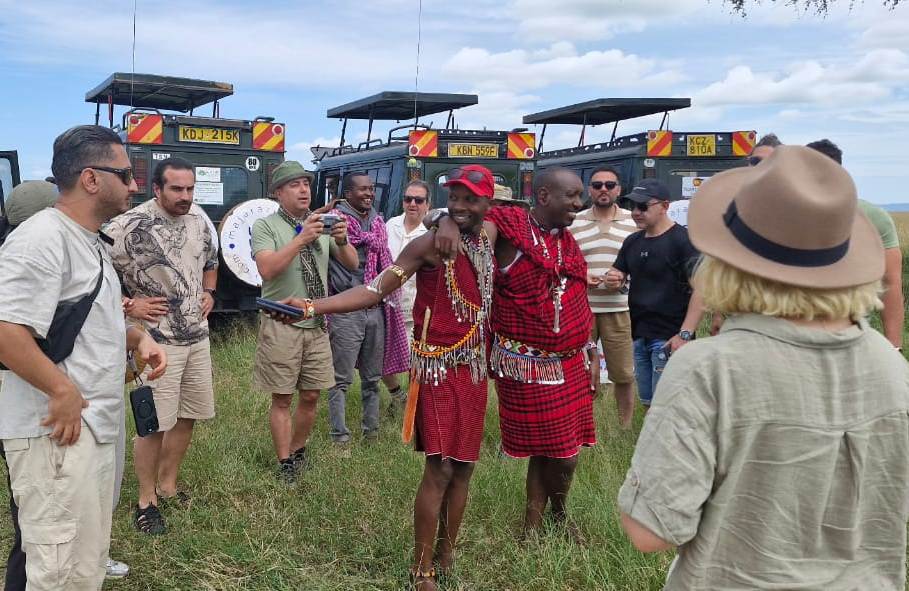
Both Kenya and Tanzania are rich in cultural heritage.
Kenya Culture Highlights
- Maasai Villages — Iconic tribal traditions
- Samburu & Turkana — Northern tribes with unique attire and customs
- Cultural tours often integrated with safari
Kenya’s cultural tours are easily accessible and provide contextual depth to your safari experience.
Tanzania Culture Highlights
- Maasai & Hadzabe Hunters — Heartbeat of Serengeti‑region culture
- Smaller, more remote village experiences
- Cultural walks often combined with natural landscapes
Tanzania’s cultural experiences feel more authentic and off‑the‑grid — perfect for those who want both wildlife and people immersion.
-
Best Time to Visit
Kenya Calendar
✔ June – October: Peak dry season, best wildlife concentration
✔ July – October: Great Migration in Masai Mara
✔ November – December: Short rains — fewer crowds, lush scenery
Kenya’s wildlife viewing is strong year‑round, but the dry months provide the most reliable sightings.
Tanzania Calendar
✔ June – September: Dry season, excellent across all parks
✔ December – March: Calving season in Serengeti — predator activity peaks
✔ June – July: Migration river crossings
Tanzania’s migration timing changes slightly year to year — but each season offers something spectacular.
-
Costs & Value
Kenya Safari Costs
Kenya offers a wide range:
🟠 Budget camping safaris
🟢 Luxury tented camps
Because of accessibility and infrastructure, Kenya can be more cost‑effective, especially for shorter safaris.
Tanzania Safari Costs
Tanzania leans slightly toward premium pricing, especially in:
- Serengeti luxury lodges
- Ngorongoro Crater‑view lodges
- Exclusive tented camps
However, you pay for scale and exclusivity — wide open plains and fewer crowds.
-
What Travelers Say
Here’s what real safari guests consistently report:
✨ “Kenya gave us non‑stop wildlife every game drive.”
✨ “Tanzania felt like the real Africa — vast and untouched.”
✨ “In Kenya, travel is easier; in Tanzania, experiences are deeper.”
✨ “Combining both was the best decision.”
The biggest trend? Many travelers choose Kenya for variety and Tanzania for depth.
-
Combining Kenya & Tanzania — The Ultimate Safari
If your schedule and budget allow, combining both countries is the ultimate East African safari:
📍 6–8 days — Masai Mara + Serengeti + Ngorongoro Crater
📍 Optional: Amboseli with Kilimanjaro view
📍 Optional: Zanzibar beach extension
This gives you the best of both worlds — predator density, migration spectacle, crater wildlife, and rich culture across borders.
-
So — Which Is Better?
Here’s the simple truth:
✔ Kenya is better if you want wildlife variety, accessibility, and family‑friendly safari options.
✔ Tanzania is better if you want wide‑open wilderness, iconic migration moments, and deep exploration.
👉 There is no absolute “winner” — only the right choice for your travel style, timing, and budget.
Conclusion: Your Safari, Your Story
Whether you choose Kenya, Tanzania, or both, what matters most is the experience you take home:
🌅 The first sunrise over a silent savannah
🦁 The roar of a lion at dusk
🐘 Elephants moving through golden grass
📸 A perfect photo that tells a story forever
At Namnyak Safaris, we don’t just plan safaris — we craft personalized journeys that match your dreams and expectations.
✨ Ready to decide?
📩 Contact Us Today for a custom safari plan based on your interests, dates, and budget.
Whether it’s:
🔹 Kenya Big Five
🔹 Migration highlights
🔹 Tanzania’s Serengeti & Ngorongoro
🔹 Combined East Africa safaris
🔹 Family‑friendly or luxury options
We’ve got you covered.
👉 Start planning your unforgettable safari – Contact us Now!