

Quick answer: Yes, Kenya is a genuinely comfortable safari destination for seniors and travelers with limited mobility. The key is choosing the right mix of activities — gentle walking safaris on flat conservancy terrain, boat safaris on Lake Naivasha, cultural village visits, and standard game drives in a well-equipped vehicle — rather than assuming safari travel automatically means strenuous hiking or rough overland routes.
A safari doesn’t have to slow down as you get older — it just has to be planned a little differently. We’ve guided travelers well into their 70s and 80s across the Masai Mara and surrounding conservancies, and the honest truth is that most of a safari happens sitting in a vehicle or a boat, which makes it more accessible than people expect. The adventurous spirit doesn’t need to fade with age; it just needs the right pace and the right activities built around it.
Why Kenya Works Well for Older Travelers
The core of any Kenya safari — the game drive — is already about as accessible as wildlife travel gets. You’re seated in a vehicle, often with pop-up roof hatches for standing views rather than requiring you to stand for long periods, and drivers are used to adjusting pace, stops, and bathroom breaks around whoever is in the vehicle. Beyond the game drive itself, several other activities widen what’s possible without demanding physical strain:
- Guided walking safaris on flat, well-managed conservancy terrain (not strenuous hiking trails)
- Boat safaris on Lake Naivasha, viewed from a seated position on the water
- Cultural visits to Maasai villages, which are relaxed, slow-paced, and conversational
- Photography-focused game drives that prioritize comfort and good vantage points over covering maximum distance
- Lodge-based stays rather than mobile camping, which means less packing/unpacking and more consistent facilities
Walking Safaris: Gentler Than They Sound
Walking safaris have a reputation for being physically demanding, but that’s not universally true. In the private conservancies bordering the Masai Mara — where walking safaris are actually permitted, unlike the main reserve — guides can tailor the route to relatively flat, easy terrain. These walks move slowly and deliberately, focusing on details a vehicle would drive straight past: animal tracks, termite mound ecosystems, birdlife, and smaller plants and insects that make up the wider picture of the Mara ecosystem.
Our Maasai guides grew up walking this exact land, and a slow-paced walking safari led by someone who has read these plains their whole life is a genuinely different experience from a guided hike anywhere else — it’s about noticing, not covering distance.
Boat Safaris: A Comfortable Alternative to Game Drives
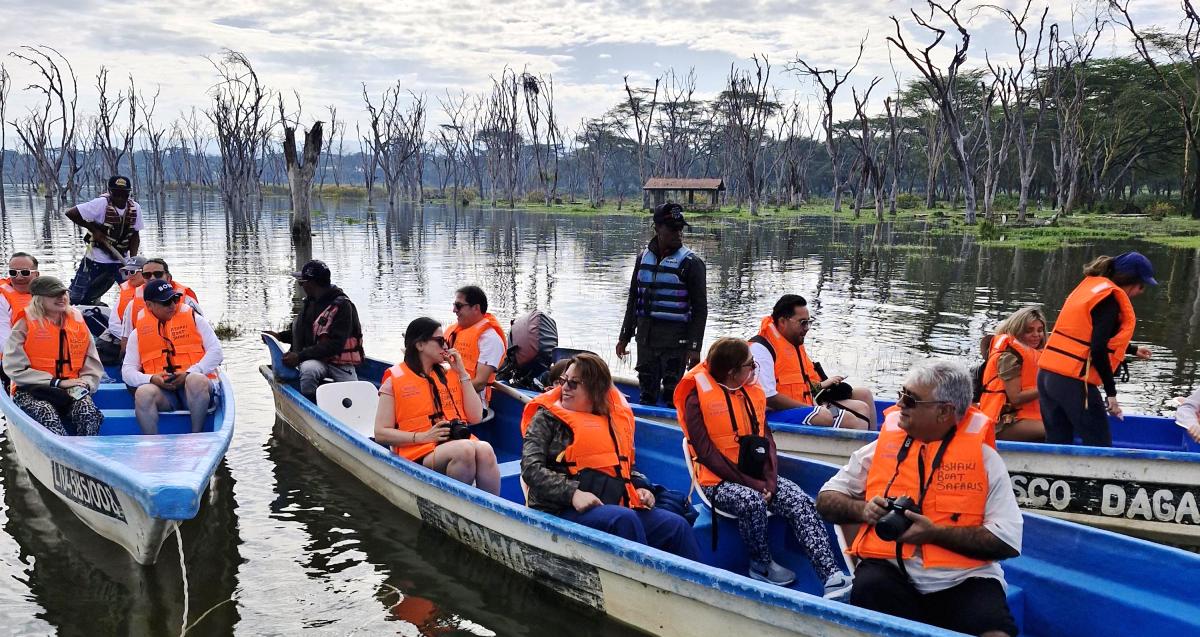
Lake Naivasha offers one of the most physically comfortable safari activities available in Kenya. You’re seated the entire time, there’s no walking involved, and the wildlife viewing — hippos, giant kingfishers, fish eagles, and giraffes along the shoreline — is genuinely excellent. It’s a favorite addition for travelers who want a change of pace from vehicle-based game drives without any added physical demand.
Cultural Visits: Slow, Seated, and Meaningful
A visit to a Maasai village is typically a relaxed, conversational experience rather than a physically active one — walking short distances between homesteads, sitting to talk with community members, and watching demonstrations of traditional dance, jewelry-making, or herding practices. These visits tend to be some of the most memorable parts of a trip for older travelers specifically because they reward patience and conversation over physical activity.
Planning Considerations for a Comfortable Trip
Tell us about mobility needs when booking. Whether it’s a knee replacement, a hip issue, or simply a preference for shorter walks, this shapes which activities we recommend and how we pace each day — there’s no reason to guess or push through discomfort.
Choose lodges over mobile camping. Lodge-based safaris mean consistent beds, bathrooms, and facilities each night, without the packing and unpacking that mobile camping requires.
Consider a private vehicle rather than a shared group vehicle. This gives full control over pace, stops, and how long you linger at any sighting, without needing to accommodate a full vehicle of other travelers’ preferences.
Build in rest days if your itinerary is longer than 5 days. A day at the lodge rather than back-to-back game drives can make a longer trip far more enjoyable and sustainable.
Check with your doctor about malaria prevention and any vaccinations well before travel, since this is worth doing regardless of age, but especially useful to plan around any existing medications.
For general trip-length planning, our guide on how many days you need in the Masai Mara is a useful starting point — for older travelers or those wanting a gentler pace, we’d generally recommend leaning toward the longer end of any range so the trip never feels rushed.
Choosing the Right Time of Year for Comfort
Weather affects comfort more than most first-time travelers expect, and it’s worth factoring into planning specifically for older travelers or anyone sensitive to heat and dust. The dry season (roughly June to October) brings hot, dusty conditions during midday, though mornings and evenings are cooler and more comfortable for game drives. The rainy seasons (November, and March to May) bring lower temperatures and much less dust, but afternoon showers can shorten game-drive windows and some roads become harder to navigate. For a genuinely comfortable trip, many of our senior travelers prefer January, February, or June — good weather, strong wildlife viewing, and none of the heaviest dust or the heaviest rain.
Vehicle Choice Matters More Than People Expect
Not all safari vehicles are equally easy to get in and out of. Some have higher door sills or narrower footwells that can be genuinely awkward for anyone with knee or hip issues. When booking, it’s worth asking specifically about vehicle type — a well-maintained 4×4 with a lower step and wider door opening makes a real difference across a multi-day trip with several entries and exits per day. Pop-up roof hatches are also worth asking about, since they let you stand for photos and views without needing to exit the vehicle at all, which is often the more comfortable option.
If you’re traveling with an adult child or a caregiver, it’s worth mentioning this when booking as well — some itineraries are easier to plan around when we know the full travel party and how everyone prefers to move through each day.
Days 1-3: Masai Mara, lodge-based, with morning game drives (cooler temperatures, shorter outings) and relaxed afternoons at the lodge.
Day 4: A short, guided walking safari in a private conservancy, paced entirely around comfort.
Days 5-6: Lake Naivasha for a boat safari and a relaxed cultural visit, with minimal driving between activities.
Prioritize hydration and sun protection. The equatorial sun is strong even on cooler days, and open-vehicle game drives mean extended sun exposure. A wide-brimmed hat, high-SPF sunscreen, and a reusable water bottle refilled regularly make a genuine difference to how you feel by the end of each drive.
Traveling Solo or as a Couple, Later in Life
A good number of the older travelers we guide are on their first safari after retirement, sometimes traveling as a couple, sometimes solo after years of putting off the trip for one reason or another. There’s no need to apologize for wanting a gentler pace, and there’s no need to compare your trip to a younger relative’s more physically ambitious itinerary from years ago. The Masai Mara rewards patience and attention just as much as it rewards activity, and a slower, more deliberate safari often produces better wildlife sightings anyway, simply because you’re not rushing past them.
Best Parks and Conservancies for a Gentle-Paced Safari
Not every part of the Masai Mara ecosystem offers the same experience, and for older travelers specifically, where you stay matters as much as what you do. The private conservancies bordering the main reserve — places like Naboisho and Ol Kinyei — tend to have fewer vehicles, smoother internal roads, and camps built specifically around comfort rather than volume. Because entry numbers are limited in these conservancies, game drives feel calmer and less rushed, and it’s easier to adjust the day’s plan around how anyone in the group is feeling.
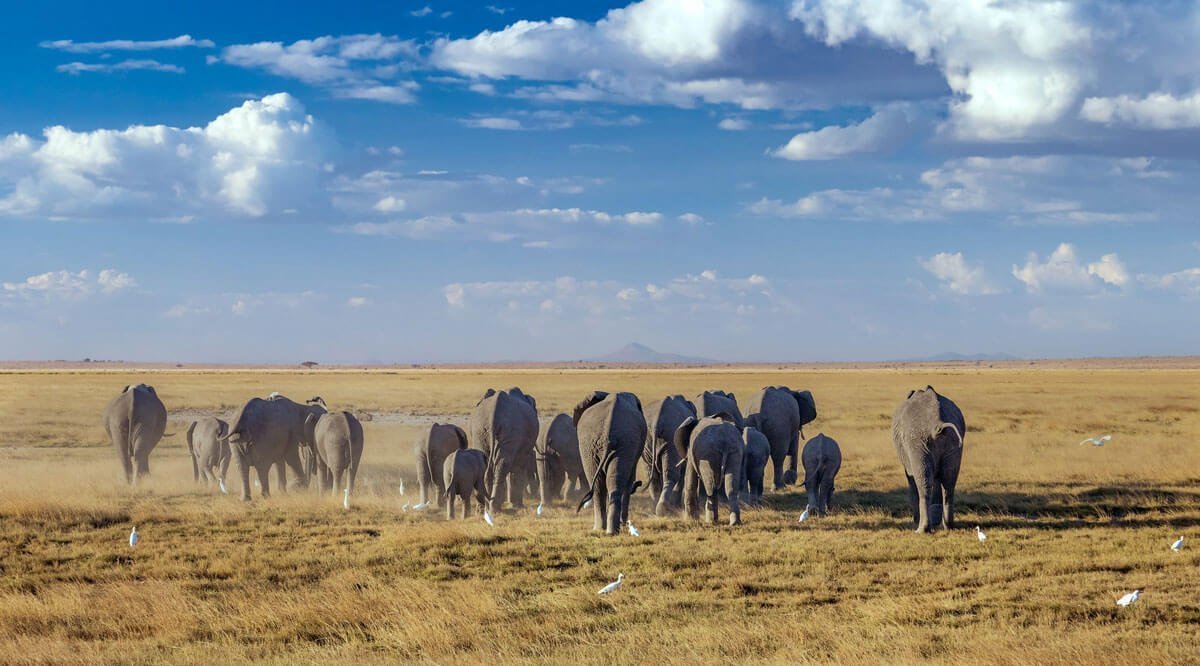
Amboseli National Park is also worth considering for a gentler pace — its terrain is notably flat and open, with less of the bumpy, dusty track driving that some parts of the Mara require, and the payoff is spectacular views of elephant herds against Mount Kilimanjaro without needing to cover much ground to find them. Lake Nakuru, similarly, has well-maintained roads and a relatively compact size, making it another comfortable choice if a longer circuit isn’t the priority.
If mobility is a significant consideration, we’d generally steer away from itineraries built around covering the most ground or chasing every possible park in one trip, and instead recommend picking two well-matched, comfortable locations and spending real time in each.
Common Concerns We Hear from Older Travelers
“What if I need medical attention while I’m out in a remote area?” Most reputable camps and lodges have basic first aid on site, and East Africa has established emergency evacuation services, including AMREF Flying Doctors, which many travel insurance policies work with directly. It’s worth confirming which service your camp or operator is affiliated with before you travel, simply for peace of mind.
“What if I get tired halfway through a game drive?” This is genuinely one of the easiest things to accommodate — a private vehicle can head back to the lodge at any point without disrupting anyone else’s day. This is one of the strongest arguments for a private rather than shared vehicle for older travelers.
“Is the heat going to be a problem?” Most game drives happen in the early morning and late afternoon specifically because these are the coolest, most comfortable parts of the day — and they’re also when wildlife tends to be most active, so the timing works in your favor for comfort and sightings at the same time.
Is a Kenya safari suitable for seniors?
Yes — most of a safari takes place seated in a vehicle or boat, and activities like walking safaris and cultural visits can be paced gently, making it a genuinely comfortable option for older travelers.
Can you do a Kenya safari with limited mobility or after a joint replacement?
Yes, with some planning — choosing lodge-based stays, a private vehicle, and mentioning mobility needs when booking allows guides to adjust pace and activity choices accordingly.
Are walking safaris too strenuous for older travelers?
Not necessarily — in private conservancies, walking safaris can be arranged on flat, easy terrain at a slow, observational pace, which is very different from a strenuous hike.
What’s the most comfortable safari activity for seniors?
Boat safaris on Lake Naivasha are among the most physically comfortable options, since you remain seated throughout while still seeing excellent wildlife.
Should seniors choose a private vehicle over a shared group safari?
It’s generally worth the extra cost — a private vehicle gives full control over pace, rest stops, and how long you spend at each sighting without needing to accommodate other travelers.
Do I need travel insurance for a Kenya safari as a senior traveler?
Yes, and it’s worth confirming your policy covers medical evacuation specifically, since safari areas are often remote — this is good practice for travelers of any age, but especially worth checking carefully.
What’s the best time of year for a senior-friendly Kenya safari?
January, February, and June tend to offer a good balance — strong wildlife viewing without the heaviest dust of peak dry season or the unpredictable afternoon showers of the rainy months.
Can seniors travel with a caregiver or adult child on a Kenya safari?
Yes — mentioning your full travel party when booking helps us plan an itinerary and pace that works for everyone, including any specific assistance needs.
Which parks are easiest for older travelers with limited mobility?
Private conservancies near the Masai Mara, Amboseli National Park, and Lake Nakuru tend to offer the smoothest roads, calmer game drives, and easiest overall pace compared to busier, more remote circuits.
What happens if someone needs medical attention during a Kenya safari?
Most established camps have basic first aid on site, and emergency evacuation services like AMREF Flying Doctors operate across the region — it’s worth confirming your camp’s specific arrangement and travel insurance coverage before you travel.
Plan Your Gentle-Paced Kenya Safari
We build every itinerary around the traveler, not a fixed template — including trips designed specifically for a gentler pace. Browse our Masai Mara safari packages or get in touch and let us know your mobility preferences — one of our Maasai guides will help design a trip that’s comfortable from the first day to the last.